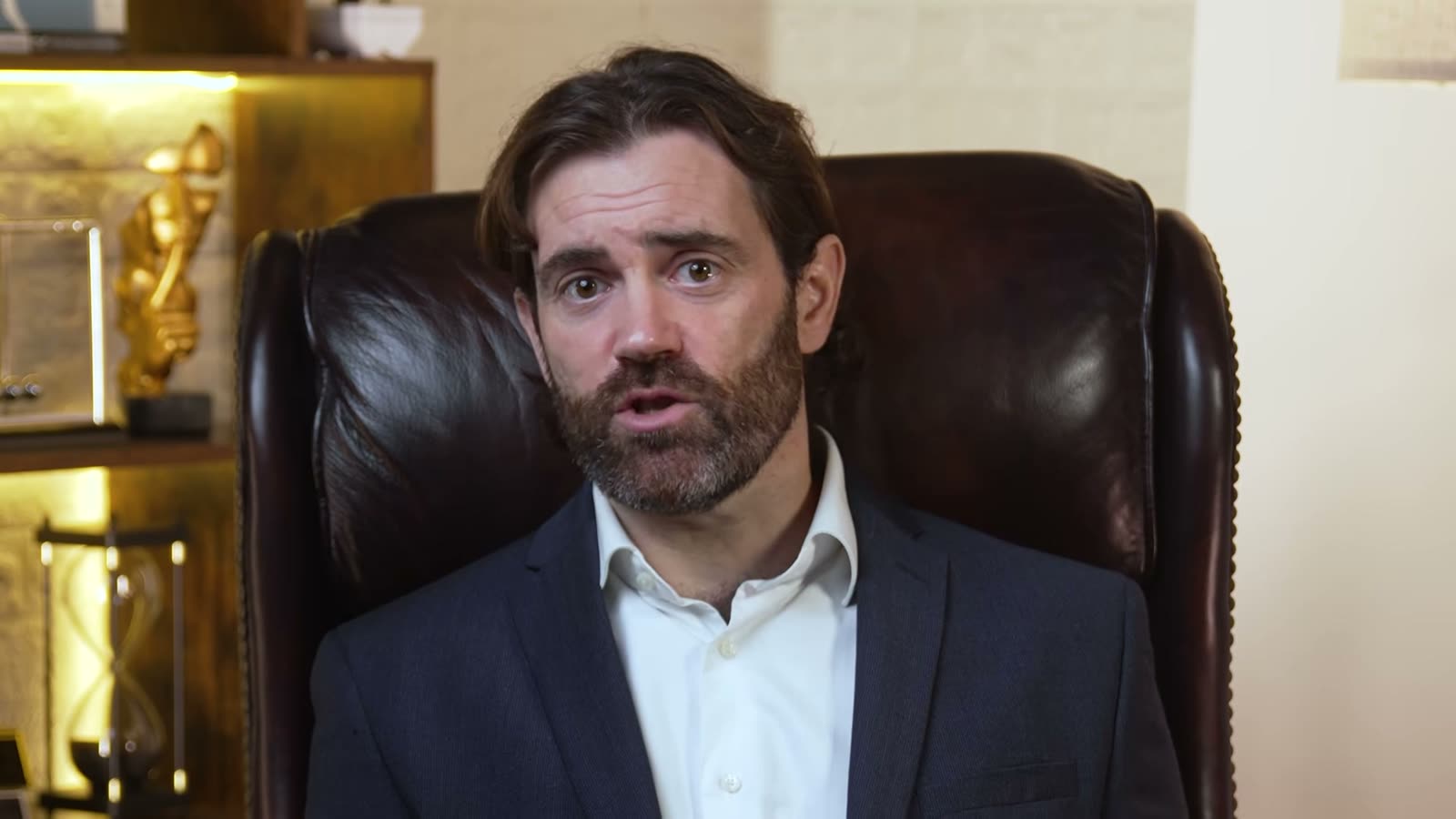
Alex Karp, chief executive of Palantir, does not stop at warning about jobs; he goes after the education that comes before them, a Finance Bureau video explainer says. In Karp's view, much of what universities sell is compliance: learn a framework, apply it, then give the answer the examiner expects. Put that way, the narrator says, it sounds like exactly the sort of task a machine does well.
According to the narrator, Karp reserves his sharpest criticism for the humanities and the usual philosophy courses, warning that AI will empty them out along with the office jobs they were meant to feed. He has said that broad degrees from elite schools, the humanities above all, will be hard to sell unless the graduate also has a specific skill. A degree that teaches you to follow a set system, on this argument, prepares you for work that machines are about to take. The narrator's conclusion is that today's graduates are not short of talent; the problem is that they were trained to follow processes software now handles better, which is a poor return on years of tuition fees.
At the World Economic Forum in Davos, speaking with BlackRock chief executive Larry Fink, Karp said AI will destroy humanities jobs and used his own philosophy studies as the example, Fortune reported. In an earlier Axios interview he said that a classically clever Yale type with general rather than specific knowledge is in trouble, according to Fortune. The International Business Times UK reported that Karp also called for an overhaul of the American education system, arguing that aptitude tests built for the industrial revolution filter out the unusual thinkers that AI era companies need. It noted that Karp himself holds a doctorate in philosophy, and that Anthropic president Daniela Amodei has argued the opposite, saying the humanities will matter more than ever as AI improves.
Why it matters to your business
Hiring on degrees is a shortcut many businesses take without thinking about it. If the main thing a graduate learned was to apply a set method, an AI tool may now do that step faster and for a fraction of the cost. The value of a new hire shifts to what the method does not cover: judgement on a messy case, a specific trade or technical skill, or the ability to deal with a customer who does not fit the script.
This is a debate, not a settled fact. Karp runs a software company with every reason to talk up skills software cannot copy, and other leaders in AI disagree with him about the humanities. The useful takeaway for an owner sits between the two camps: whatever a candidate studied, test whether they can handle a problem without a set answer, because that is the part of the job least likely to be automated.
What to do in your business tomorrow
- In your next hiring round, ask every candidate to describe a problem they solved where there was no set method to follow, and what they did first.
- Pick one junior role and write down which of its tasks follow a fixed method and which need judgement, then rewrite the job advert around the second list.
More on this topic: AI agent news