In a video about Anthropic's plan to sell shares to the public, the explainer channel How Money Works says the company has not hidden how little power outside owners will have. The channel says public shareholders will be kept well away from the controls for the foreseeable future, and that this goes for major investors such as Microsoft too. As How Money Works puts it, Anthropic's leaders "haven't exactly been sneaky about any of this".
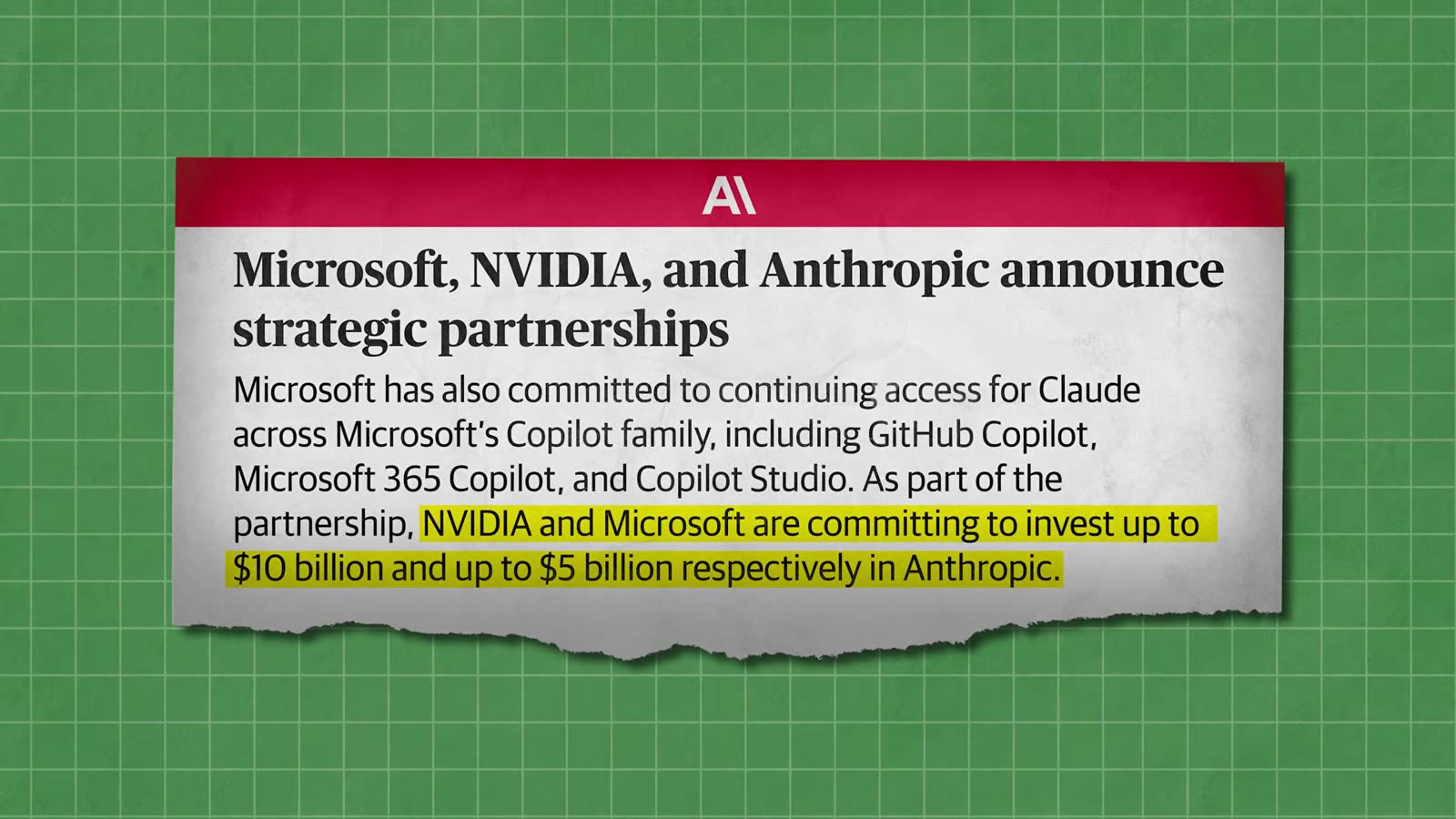
How Money Works also points to what it calls circular dealing (when companies invest in each other while also doing business with each other). Large tech firms have become big shareholders in Anthropic while supplying it, or even competing with its models, the channel says, yet they too were handed a special class of share without a real voice in governance (the rules for who controls a company). The channel argues the founders could probably earn more in the short term by promising to run the company purely for shareholders, since that would draw more buyers and make it easier to cash out. Turning that down, it suggests, could be read as a sign they want more than a quick payday.
Published reports back up the broad point. Under Anthropic's S-1 (the document a company files with regulators before it sells shares to the public), a company owned by its seven co-founders holds one share that controls 50.1 percent of votes on most decisions, and that share keeps its weight even when new stock is issued, DeepLearning.AI's The Batch reported. InvestmentNews reported that the filing describes Amazon, Google and Microsoft as acting at once as investor, customer, cloud provider, distributor and competitor, and that Anthropic warned these overlapping roles can pull against its own interests.
Why it matters to your business
If your business runs on an AI supplier, the people who decide its prices and products may be a small group, not its shareholders. At Anthropic the founders keep control after the listing, so pressure from stock market investors will count for less, for better or worse. What that small group decides is what you get.
The same few tech giants own stakes in the main AI labs, rent them computing power and sell rival tools of their own. A deal between them can change what you pay or which models you can use, and you will have no vote in it. Knowing who stands behind each tool helps you judge how steady your terms really are.
What to do in your business tomorrow
- List every AI tool your business pays for this week, and next to each one write which cloud company runs it and which big firms have invested in its maker.
- Compare the clauses on price changes and notice periods in the contracts for your two most used AI tools, so you know how much warning you would get.
More on this topic: AI agent news