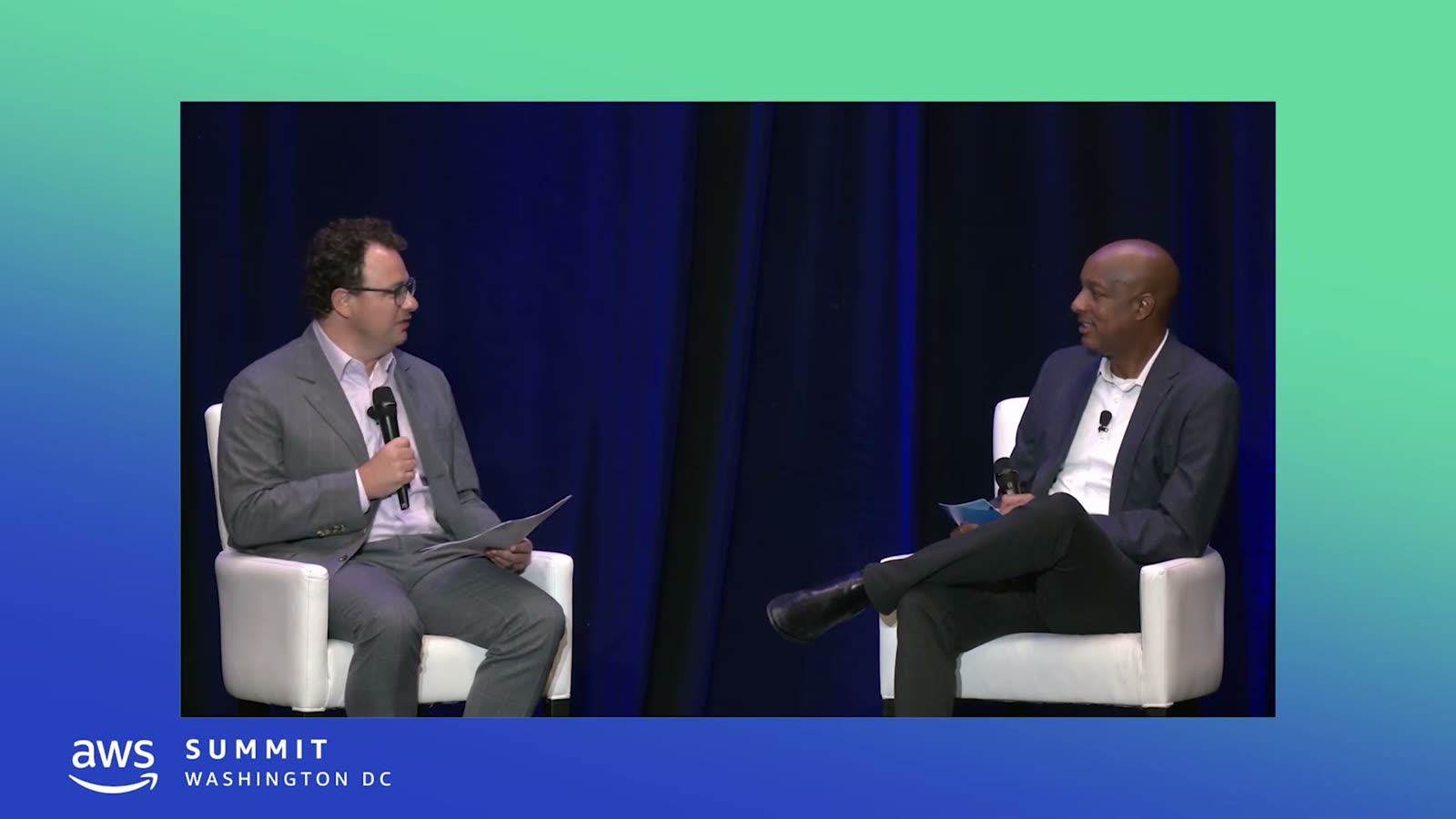
How Money Works says that, for all their talk of the public good, Anthropic's founders also need the company to make money. In its video on the planned share sale, the channel notes they have pledged 80% of their personal Anthropic wealth to their own charities, on top of the company's internal commitments. The catch, it says, is that the filing describes these pledges as not legally binding, and there have to be returns before any of it can be handed out. In the words of How Money Works, "pledges are free to make".
The channel admits there are big headwinds ahead and says nobody can be sure how things will turn out. It looks back at the dot com crash (the collapse of internet shares at the turn of the century) as a guide: if a similar bubble bursts, some companies tend to come through the correction and dominate afterwards. Amazon's shares fell by about 94% from December 1999 to September 2001, it reminds viewers. It is impossible to say which AI firms would survive a crash like that, the channel says, but it argues Anthropic looks strong next to its rivals on technical ability and on how widely businesses use it. It stresses that this is not financial advice.
The founders' promise is real but loose. Fortune reported that each of the seven co-founders promised to donate 80% of their own shares in the company, worth close to $80 billion by its estimate, and that the S-1 (the document a company files before it sells shares to the public) describes the pledges as voluntary and able to be withdrawn, so they are not legally binding. The Chronicle of Philanthropy also reported that the filing says the 80 percent pledge is not binding, and that some nonprofit leaders worry about unclear wording on who will decide how the money is spent. Reuters reported that the listing comes during a selloff in AI and tech shares, as investors question whether the money poured into data centres and chips will earn a return quickly enough.
Why it matters to your business
A promise from a supplier, however generous it sounds, is only as good as the money behind it. The founders' own filing says their pledges can be withdrawn, and the channel's point is that they rest on profits that are not yet certain. The same test applies to anything an AI company promises your business about price or service: what counts is what is written into your contract.
If a crash does come, the AI companies that survive could end up stronger, while others may cut products, raise prices or close. A business that has built its daily work on one supplier would feel that directly, through sudden changes in cost or tools that stop working, with little time to adjust.
What to do in your business tomorrow
- List every AI tool your business depends on this week, and for the most important one name a second option you could move to within a month.
- Save copies of the data, prompts and templates your team keeps inside your main AI tool, so that a switch would not mean starting from nothing.
More on this topic: AI agent news
Sources
- How Money Works: Why is Anthropic's Business Model So... Strange?
- Fortune: Anthropic's founders pledged to give away 80% of their stakes, a promise worth nearly $80 billion
- The Chronicle of Philanthropy: Anthropic's $300 billion promise leaves nonprofit leaders asking who decides and when
- Reuters: Anthropic files for IPO as AI race heats up