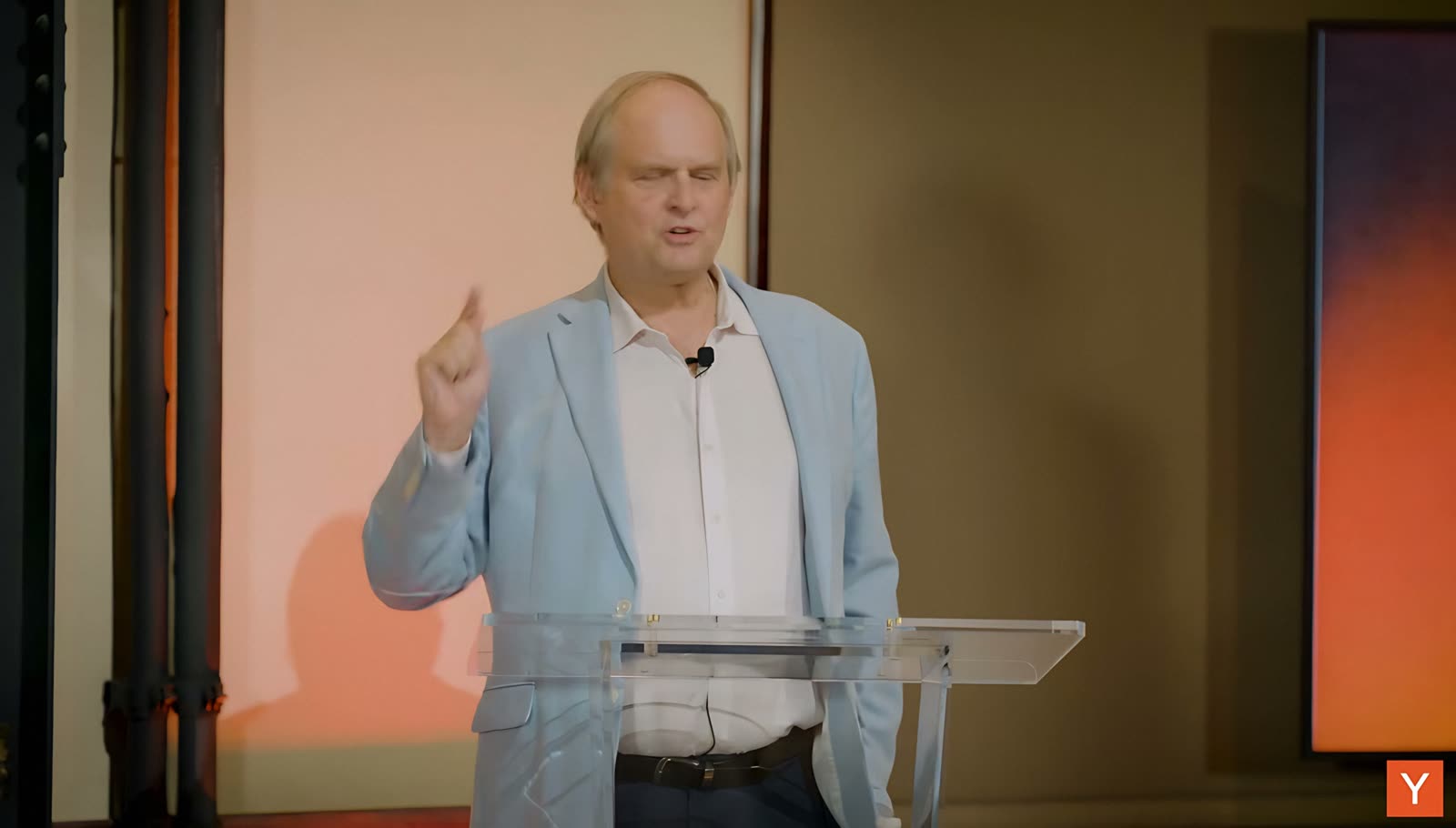
Speaking at Y Combinator's debate on slowing down AI, Robin Hanson referred to a recent scenario of $100 billion of damage to the internet within the next year. He said it seems exaggerated, but he would be happy to require some AI providers to carry liability insurance (cover that pays out if their product causes harm) at that level.
If insurers looked at that and judged the companies far too risky, he said, they would demand a price too high to pay, and the firms would have to stop doing many things until they could show they are careful enough. That would be the right policy if AI really is very dangerous. If insurers instead offered cover cheaply because they saw little danger, the rule would barely get in the way, which would also be right. Hanson called it "a robust policy that will do the right thing in either case".
He prefers this because regulation of AI looks to him extremely dangerous and difficult. Rules tend to work, he said, when they target concrete problems people have already seen, such as drugs that hurt people, car crashes or plane crashes.
Hanson is an economist at George Mason University and the author of The Age of Em, according to Scientific American. He told The Blaze that AGI (AI that matches most humans at every kind of thinking) probably will not arrive until 2150.
Why it matters to your business
Insurance turns a vague risk into a price. Hanson's idea is aimed at AI labs, but the same logic applies to any business that uses AI: if a tool makes a costly mistake, someone pays, and the question is whether that is you, your supplier or your insurer.
Many policies were written before AI tools were common, so cover for errors made by software acting on its own may be unclear. Finding out now is cheaper than finding out after a claim. Suppliers that can show how they limit and record what their AI does will also be easier for you, and your insurer, to trust.
What to do in your business tomorrow
- Ask your insurer or broker this week whether your current cover includes mistakes made by AI tools your business uses, and get the answer in writing.
- Check your contracts with your main AI suppliers to see who pays if their tool causes a loss.
More on this topic: AI agent security and risk