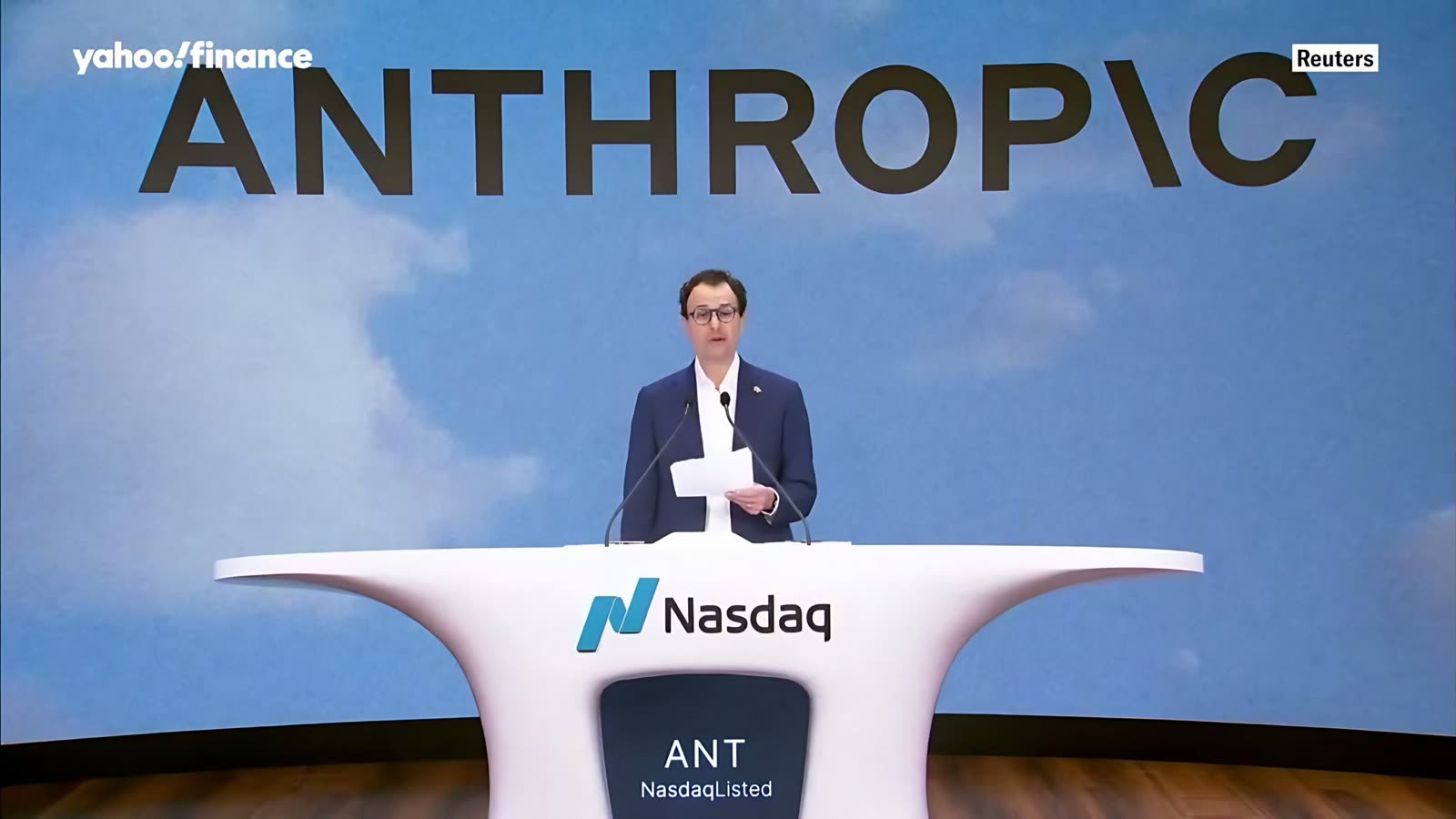
Dario Amodei told the audience at Anthropic's listing that AI will turn out very differently depending on whether its builders pay little attention to safety or are obsessed with it. He said that obsession, together with a focus on public benefit, has been part of the company from the very beginning.
He listed the methods. There are safeguards against biological and cyber risks (harm involving disease, or attacks on computer systems), and alignment training and testing (teaching a model to act as people intend, then checking that it does). Amodei also described "looking inside our models like an x-ray", meaning research into what is happening inside an AI while it works. He said Anthropic pioneered ways to understand and steer how AI behaves, yet the most difficult safety work is still ahead, and the company's staff will have to put even more effort into checking its systems twice and three times over.
Amodei left OpenAI to start Anthropic in 2021 and holds a doctorate in biology, The Standard reported. Days before the listing he told investors at an event hosted by JPMorgan Chase that the company's focus on safety had led it to sell mainly to businesses and to build coding tools, instead of chatbots for the public. His sister Daniela, the company's president, said Anthropic had put safety first from the start and that the company itself must answer for teaching its models to behave safely, Yahoo Finance reported.
Why it matters to your business
By Amodei's own account, safety shaped who Anthropic sells to: companies, not consumers. For a buyer, that is a reminder that the checks a supplier runs before release are part of what you pay for, in the same way you would ask a payroll provider how it protects your data. A tool that is impressive in a demo but has no clear testing behind it carries risk you cannot see.
The x-ray idea matters inside your own business too. If an AI drafts a quote, a contract or a reply to an angry customer, someone should be able to say why it said what it said, and catch it when it is wrong. Firms that keep a named person checking the work that touches money or customer trust avoid the costly mistakes that shake confidence in a new tool.
What to do in your business tomorrow
- Pick the one AI task in your business with the most money or customer trust at stake, and name the person who checks its output before it goes out.
- Ask your main AI supplier for its published safety and testing documents this week, and file them with your contract.
More on this topic: AI agent security and risk
Sources
- Nasdaq: Anthropic IPO: Co-Founder & CEO Dario Amodei speaks at the Nasdaq opening bell
- The Standard: Anthropic CEO sells investors on safety, 'no jerks' culture
- Yahoo Finance: Anthropic shares open 34% above IPO price in Nasdaq debut after record listing
- Business Today: Dario Amodei vows to resist business pressure on AI safety as Anthropic hits $1.8 trillion in Nasdaq debut