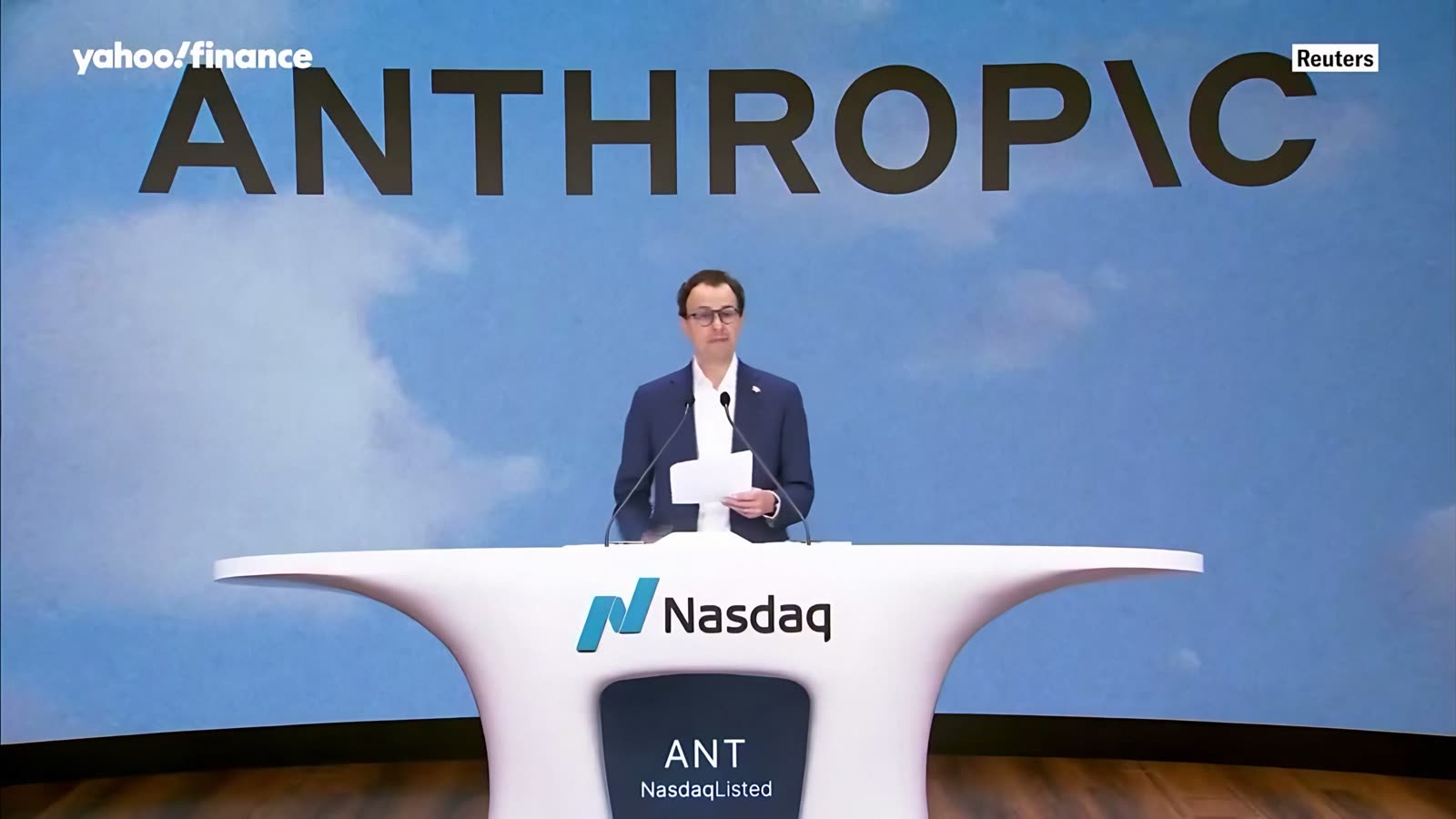
Dario Amodei said he is extremely optimistic about what Anthropic and its customers can achieve together, but that the company has always been honest that this technology carries serious dangers. He named three: people or governments using it to do harm, upheaval in the economy, and humans losing control of AI systems.
He said Anthropic talks about these dangers not because it thinks they are bound to happen and builds anyway. Instead, Amodei said, "we think they are avoidable and we can avoid them". Whether that happens, he argued, comes down to decisions made by the people who build AI. The gap between a careless approach and one that is obsessed with safety is, in his words, gigantic, and he said that obsession has been part of Anthropic since it began.
Amodei is Anthropic's chief executive. He and his sister Daniela, now its president, were among seven former OpenAI researchers and executives who started it in 2021, Yahoo Finance reported. Business Today noted that even on a day when investors pushed the company to a record valuation, he chose to speak about the risks of machine intelligence for society. The listing raised $81.3 billion, the largest initial public offering (a company's first sale of shares on the stock market) on record.
Why it matters to your business
Economic disruption is on the AI maker's own list of dangers. That means your staff, your suppliers and your competitors will all feel it: some tasks will be done faster and cheaper, some prices will fall, and some jobs will change shape. Owners who plan for that now can retrain people and adjust prices calmly instead of reacting to a rival.
Misuse and loss of control also have a small, everyday version inside a business. Who in your team uses AI tools, on which customer data, and with what checks before the work goes out? A short written answer costs an afternoon. Finding out after a leak or a wrong answer sent to a client costs far more, in money and in trust.
What to do in your business tomorrow
- Write a one page AI use policy this week: which tools staff may use, what data never goes into them, and who checks the output before a customer sees it.
- List the three roles in your business where AI could take over part of the work, and talk with the people in them about how those jobs could change.
More on this topic: AI agent security and risk
Sources
- Nasdaq: Anthropic IPO: Co-Founder & CEO Dario Amodei speaks at the Nasdaq opening bell
- Yahoo Finance: Anthropic shares open 34% above IPO price in Nasdaq debut after record listing
- Business Today: Dario Amodei vows to resist business pressure on AI safety as Anthropic hits $1.8 trillion in Nasdaq debut