The short version
OpenAI has filed counterclaims against Apple in a California court in the US, saying the iPhone maker pressured the suppliers both companies use not to work on OpenAI's devices. Apple sued OpenAI in July over hardware trade secrets, so each side now accuses the other of much the same conduct.
What happened
OpenAI filed its counterclaims in San Jose on Friday, Bloomberg reported, according to The Next Web. The filing is OpenAI's reply to the trade secrets case Apple started in July. The Financial Times, cited by both Engadget and The Decoder, says OpenAI also accuses Apple of trade secret theft and of using its weight in the market to hold back a rival.
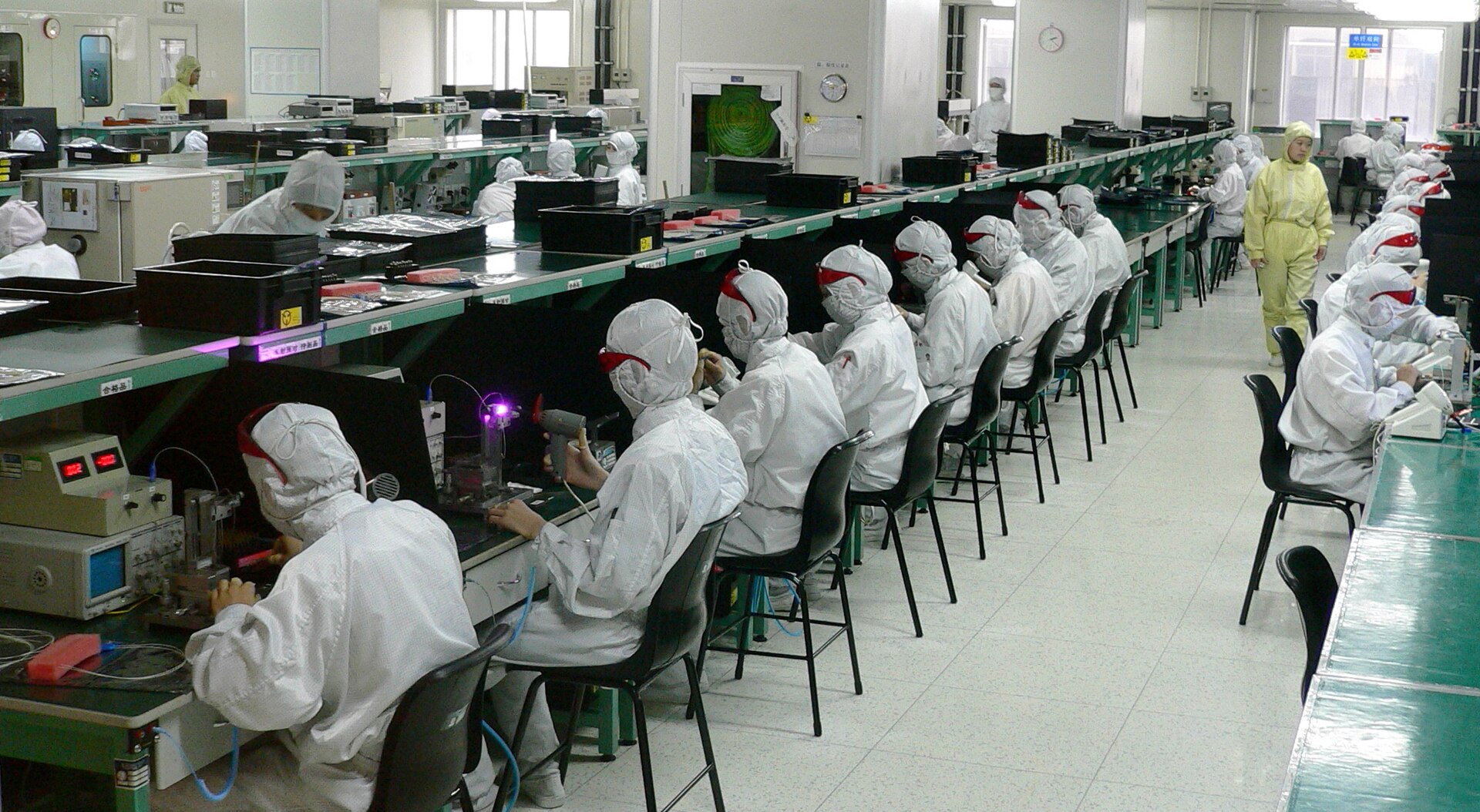
The heart of the claim is about suppliers, the outside firms that make parts for both companies. OpenAI says Apple asks these firms to list their OpenAI projects and to name any staff on them who used to work at Apple. Apple then tries to keep anyone who has touched OpenAI products off its own jobs, OpenAI says, which makes suppliers wary of putting people on OpenAI work. OpenAI ties this directly to its plans to sell its own devices, and calls the pressure unlawful.
The filing gives examples. One firm pushed its OpenAI jobs into nights so they never ran beside Apple jobs, and OpenAI says that pushed up its costs. Other suppliers have changed the times of OpenAI meetings to keep them out of Apple's sight.
OpenAI also goes after the contracts Apple staff sign, saying they treat nearly everything a worker learns as secret and bar them from recruiting Apple colleagues for a year. It repeats its claim that a worker who returned to Apple carried off more than 100 files on an OpenAI device that is not out yet. Apple did not immediately respond to Bloomberg and has said before that it found no evidence for these claims.
The background
Apple's own case accuses OpenAI and Tang Tan, who runs its hardware work, of reaching Apple secrets through people who once worked there, and of having a supplier the two share copy an Apple method for finishing metal, The Next Web reported. Engadget says Apple's filing names several former employees and claims they downloaded dozens of confidential hardware files. In October, OpenAI promised to leave aside the files at the centre of Apple's claim for as long as the case runs.
The two were partners not long ago. Two years ago they announced a deal to bring ChatGPT to the iPhone, The Decoder notes. Since then OpenAI has closed a $6.4 billion deal for io, the studio of Apple's former design chief Jony Ive, and is preparing its own devices. The first, The Next Web says, is a doughnut-shaped speaker.
What it means for owners and operators
For most businesses, the lesson sits with the firms in the middle. When two big customers turn into rivals, a supplier that serves both faces questions about who worked on what, and has to split teams and even shifts. The night shift example shows the price: the work was kept apart by moving it in time, and OpenAI says its costs rose.
The second lesson is about hiring. Each company accuses the other of using former staff to carry secrets across. Engadget reports OpenAI says Apple encourages staff to keep work files on personal devices and cloud storage, then uses that against people who leave. Wide contracts and files on personal accounts are the weak points both filings circle.
The AI angle
OpenAI's move into hardware is what turned a partnership into a court fight. A company known for an AI chatbot now wants to sell the device people talk to it on, which puts it in Apple's home market. To build devices it needs suppliers and engineers of the kind Apple relies on, which is why this fight is about factories and staff rather than software.
For owners, the point is that AI tools are moving out of the browser and into physical products. Any AI company that follows OpenAI into devices will need suppliers. Firms that make parts or provide engineering work for tech companies may face more questions about clashes between clients.
Our take
Our view, drawn from the reporting in this story. It is analysis, not news.
Our view: neither side's claims are proven, and a court will decide. Apple says it found no evidence for OpenAI's claims, and OpenAI has agreed for now not to use the files at the centre of Apple's case. Treat the details as allegations made in a filing.
What is already clear is that the conflict has a cost, and suppliers carry part of it. A business working for two rivals at once needs its own written rules for keeping their work apart, set before a customer asks.
The numbers
OpenAI says a former worker carried off more than 100 files on a device still in the works, The Next Web reported, and OpenAI's deal for io was worth $6.4 billion, according to The Decoder.
OpenAI device files
OpenAI deal for io studio
What to do in your business tomorrow
- Switch off personal cloud syncing on every work laptop this month, so company files cannot quietly end up in a staff member's own storage account.
- Before a new hire from a large competitor starts, search the shared drive they will use for documents carrying the old employer's name: a pass if there are none, a fail if any turn up.
- Make it a standing rule that nobody moves from one client's project to a competing client's project without your written sign-off and a note of what they worked on.
Related coverage
Sources
- The Next Web: OpenAI countersues Apple, accusing it of pressuring suppliers
- Engadget: OpenAI countersues Apple and accuses it of stealing trade secrets
- The Decoder: OpenAI countersues Apple over trade secret theft and alleged coercion of shared suppliers