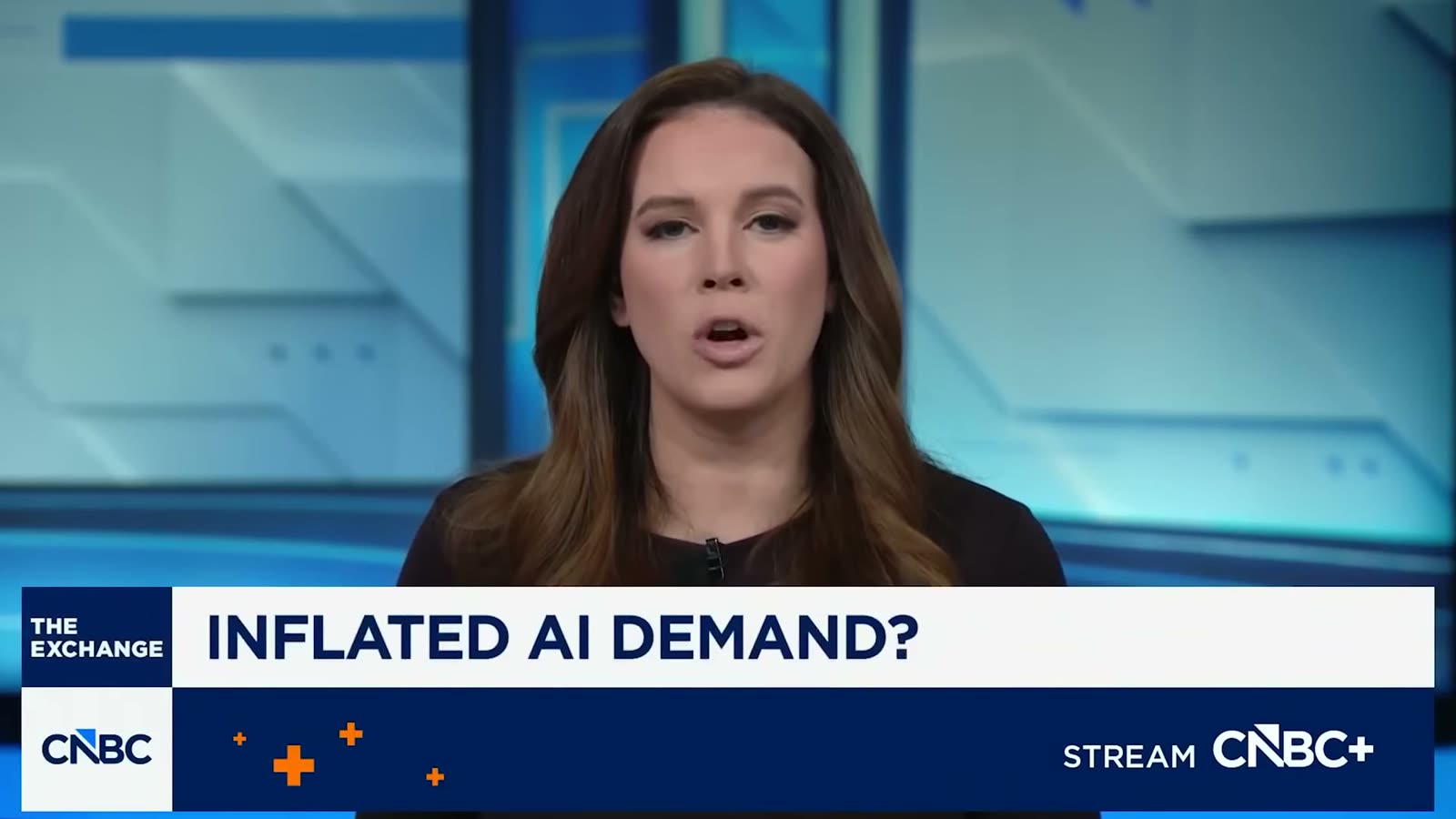
How Money Works says the rush by businesses to use as many tokens (the small chunks of text that AI is billed by) as possible was clearly good for Anthropic, which sold them. Whether buyers got their money's worth is still in doubt, the channel says. AI tools have become far more impressive but also far more expensive, and it says industry research still finds little or even negative effect on real productivity. It cites one study in which experienced developers needed 19% more time to complete their work when using AI tools, and notes that a follow-up this year suggested things had improved, although the data was too noisy to measure by how much.
Business leaders have become less keen since, the channel says. It cites a survey of 1,500 IT leaders, published the week before its video, in which 89% of organisations said token costs had led them to scale back or redesign their AI plans this year. On the other side, How Money Works argues that Anthropic is hurrying its share sale through before large spending commitments reach its income statement (the part of the accounts that sets costs against revenue). It says the filing adds these commitments up to about $895 billion, close to the whole market value of the business after its valuation was rethought. That could mean growth is ending just as big costs arrive, the channel says, which makes it "the perfect time to sell some equity".
Reports on the filing show how big the computing bill is. InvestmentNews, reporting on an earlier confidential draft first reviewed by Reuters, put the commitments at no less than $518 billion over the next decade, with about 80% payable however much computing power the company actually uses. It also reported that compute and infrastructure made up $7.33 billion of Anthropic's $12.65 billion in operating expenses in 2025. Reuters reported that the company expects these costs to keep growing in absolute dollars and to stay the biggest item in its operating costs for the foreseeable future.
Why it matters to your business
Better AI is not automatically cheaper AI. Many firms only found the real cost after rolling tools out widely, and the survey the channel cites suggests most had to pull back. Paying by the token means a busy month can cost far more than a quiet one, which makes budgets harder to plan.
The suppliers face huge fixed bills of their own. A company that has promised hundreds of billions for computing needs its customers to keep spending, and how it prices its tools to cover that bill will shape what you pay over the next few years.
What to do in your business tomorrow
- Before you widen use of any AI tool, run it on one job for two weeks and record two numbers: hours saved and money spent.
- Set a monthly spending cap in the billing settings of every AI tool you pay for by usage, so a busy month cannot surprise you.
More on this topic: AI agent costs