The short version
Wellington College International Lagos held a forum on November 19 where speakers said Nigerian employers have not yet adjusted to what AI will do to work. Research shown there found 87% of young people in the UK use generative AI, but only 9% believed their education was getting them ready.
What happened
Wellington College International Lagos held its inaugural Thought Leadership Forum on Thursday, November 19, at the Metropolitan Club in Lagos, according to Techeconomy. The theme was Human Flourishing in the Age of AI. The school itself is due to open in Alaro City in September 2027, Techeconomy says.
Chris Rothwell, who leads the Wellington College Education Institute of AI, gave the keynote. He argued that schooling built mainly to feed the labour market no longer fits, ThisDay reports, and that pupils need critical thinking, ethical reasoning and adaptability.
Rothwell presented research on young people in the UK, Techeconomy reports. In it, 87% said they used generative AI (AI that writes text or makes images on request). Yet only 9% believed their education was getting them ready for the world that technology is building. A further 42% felt AI made school less important. For 35%, AI made school more important.
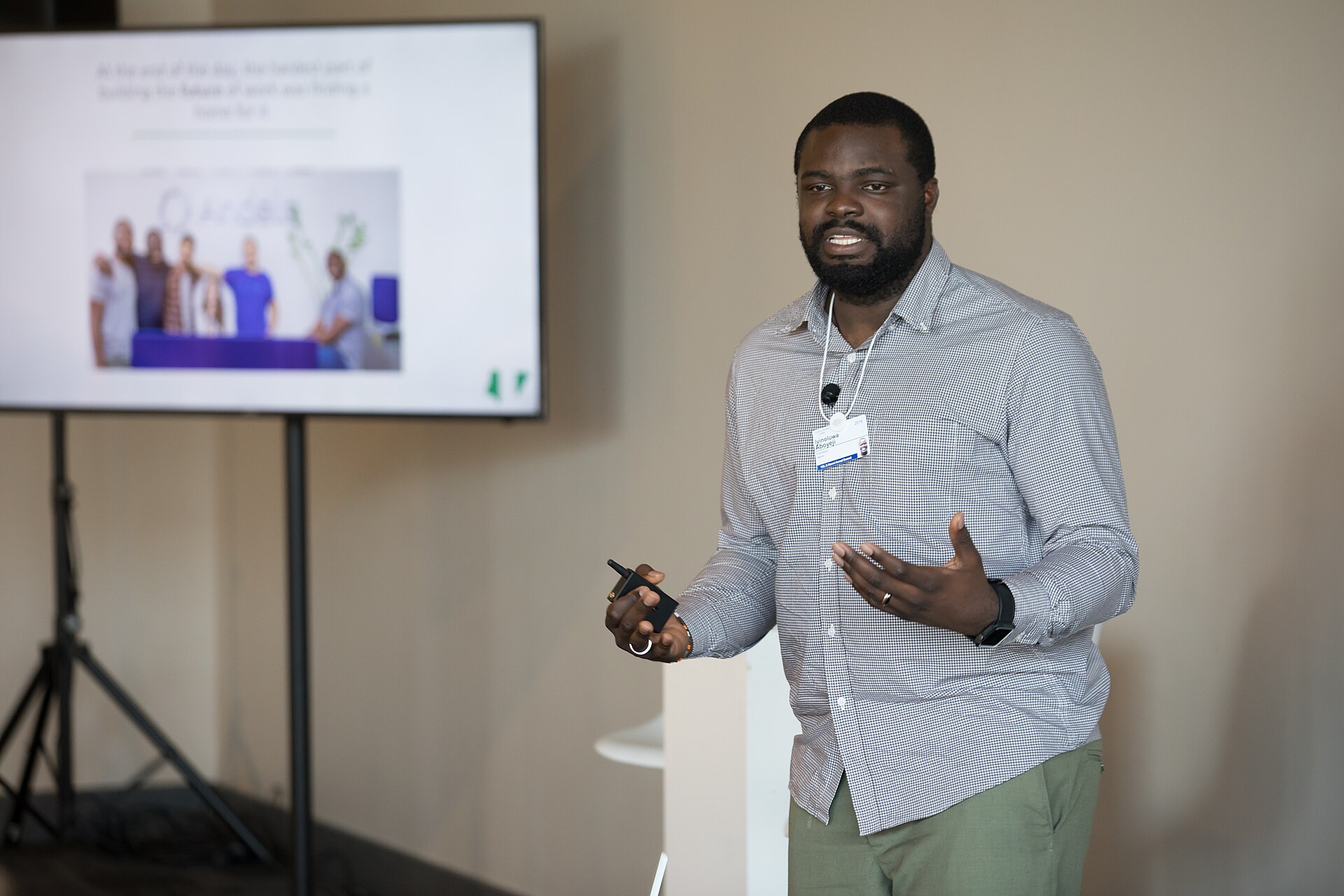
Iyinoluwa Aboyeji, founding partner of Future Africa, spoke on a panel. Techeconomy reports he said Nigerian businesses had not yet fully adjusted to what AI will do to work. Employers, he argued, should measure outcomes, problem-solving and knowledge of customer needs, and stop defining productivity by today's job roles. He named judgement, spotting poor work and practical problem-solving among the qualities employers struggle to find in young graduates. Technext quotes Aboyeji: “In the age of AI, the skill that distinguishes talent is not knowing but building.”
The background
The ideas come from the OECD (Organisation for Economic Co-operation and Development), an international body that studies education systems. Its work began in 2018 and drew on school systems including Singapore, Estonia and Finland, ThisDay reports. The resulting framework, Education for Human Flourishing, was published in November 2025, Techeconomy adds.
The framework names competencies, meaning abilities a person can put to use: ethical competence, adaptive problem-solving, acting in the world, understanding the world and appreciating it. NCEE, an education group that partnered with the OECD on the question, says the framework looks beyond academic achievement and workforce readiness. The Policy Edge, summarising the report, says AI is already starting to overtake people in reading, mathematics and scientific reasoning, so schools should build the abilities that complement machines.
Government was in the room too. Oyindamola Martins, director of ICT (information and communication technology) at the Lagos State Ministry of Basic and Secondary Education, said government saw the need to give teachers digital skills, Techeconomy reports. She listed misinformation, data privacy, cybersecurity (keeping computers and accounts safe from attackers), unequal digital access and academic integrity as issues to settle as schools adopt AI.
The AI angle
The young people in the UK research already use generative AI: 87% of them. The gap is in what surrounds the tool, because only 9% believed their education was preparing them. The sources do not measure this in Nigeria. If the same holds there, the people you hire in the next few years will arrive able to ask a chatbot for an answer and less sure how to check it.
An AI agent (software that carries out tasks for you, step by step) can draft, sort and summarise. It cannot tell you whether the result is good enough for your customer. That is the judgement Aboyeji says employers struggle to find. Jadesola Adedeji, another panellist, warned that young people could lean on AI without learning to challenge its answers, Techeconomy reports.
The school's own test for any technology is worth borrowing, as Technext describes it. Is the tool able to do the job? Is it right for the tool to do it? What share of the job should it take? Those questions work as well for an invoice run or a customer reply as they do for a lesson.
What it means for owners and operators
For an owner, the message is about hiring. Grades tell you less than they did. Ask what a candidate has built, and whether they can spot weak work, including weak work an AI tool produced.
For an operator, it is about how you measure staff. Job descriptions list tasks, and the forum heard that machines now handle tasks once thought to need a person. Outcomes are what is left to measure. That is the adjustment Aboyeji says Nigerian businesses have not yet made.
There is an honest limit. The survey figures come from the UK, not Nigeria, and the sources do not say who ran the research or how many people answered.
Our take
Our view, drawn from the reporting in this story. It is analysis, not news.
Our view is that the scarce skill is no longer using AI. It is judging what AI hands back. When 87% of young people already use the tools, tool use stops telling candidates apart. Checking, questioning and building do.
This reaches beyond a hall in Lagos. The OECD started its work in 2018, before the public release of ChatGPT in November 2022, and arrived at the same place: abilities that complement machines. Schools will take years to change, and a business cannot wait for that. So the training in judgement falls to the employer.
The numbers
What to do in your business tomorrow
- Write down, for each junior role you plan to fill this quarter, the outcome the person must deliver and not just the tasks in the job description.
- Add a judgement test to your next interview: hand the candidate a piece of AI-written work with errors in it and ask them to say what is wrong.
- List the administrative tasks that eat your team leads' week and pick a single task to hand to an AI tool, the way the school plans to cut teachers' administrative work.
Related coverage
Sources
- Techeconomy: Wellington College Int'l Lagos Forum Explores Human Flourishing in the Age of AI
- Technext: Wellington College Lagos puts human skills at centre of education debate in the age of AI
- ThisDay: Wellington College Advocates Human-Centred Education in AI Era
- NCEE: Webinar: Education for Human Flourishing
- The Policy Edge: OECD Report: Recasting Education's Purpose