The short version
Meta launched its Muse AI assistant in the UK this week, and restaurant owners told the Guardian that AI bots are already booking tables and phoning them. Some owners say they are going back to taking bookings by phone, from people they can talk to.
What happened
Meta launched its Muse AI assistant in the UK this week, according to the Guardian. The company is encouraging people to let Muse shop and reserve restaurant tables for them. If a user allows it, Muse gets access to their email and can then book or buy on their behalf.
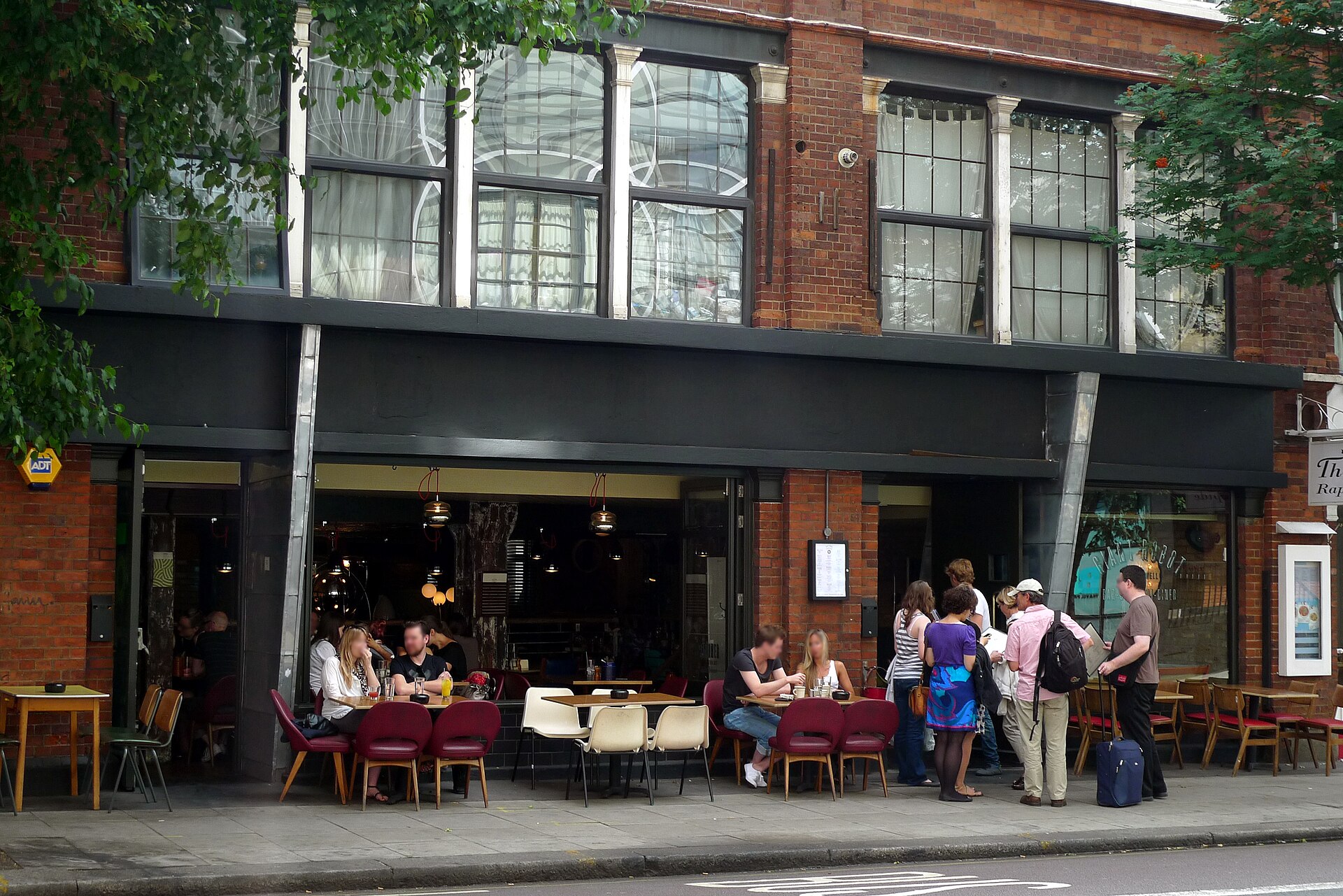
Dave Strauss is co-owner of Bouchon Racine, a French restaurant, and answers its phones every day from 11am. He told the Guardian that a recent caller sounded just like a person, yet something felt wrong. When he asked whether he was talking to a bot, the caller confirmed it was an AI booking process. “I had an argument with the AI bot and told it to never call me again”, Strauss said. The Guardian does not say which AI tool placed that call.
Jeremy King, who owns Arlington and the Park, said AI is taking the personal contact out of bookings, and that this is pushing his restaurants to go more analogue. “I am very happy to embrace new technology but ultimately if it conspires against us we will have to return to managing without”, King said. Kimberley Coke, a concierge who books tables for clients by WhatsApp or phone, told the Guardian that app bookings hide who the guest is.
The background
The trouble started in the US, where the Guardian says Muse has been downloaded millions of times. The online booking service Resy banned bots there after AI agents kept reloading its pages thousands of times and grabbed the reservations.
Muse can also make phone calls, but so far only in the US. Android Authority reports that Meta chief AI officer Alexandr Wang announced outgoing calls for paid subscribers in the US, on plans from $20 a month, and a $100 plan for heavier use. Gadget Review says the feature covers calls to US businesses, and that reporting so far does not show Muse placing international business calls. Citing TechCrunch, it adds that Meta reported more than 10 million Muse users.
In the UK, the Guardian reports that Meta has deals with British businesses including Marks & Spencer, Currys and easyJet. The deals let Muse move around their websites more easily and reach their apps through a connector (a link a company builds so that Muse can use its service directly). Where a company offers no connector, Muse goes to the public website instead. The Information Commissioner’s Office (ICO), the UK data protection watchdog, said on Tuesday that Meta had agreed to a voluntary monitoring and reporting scheme. The Competition and Markets Authority (CMA), another UK regulator, said its talks led to fairer terms and conditions in the app.
The AI angle
An AI agent is software that acts for a person: it reads the email, opens the booking page or dials the number, then finishes the job without the person watching. This story shows what that looks like from the other end of the line. Muse is not the only assistant doing it. Android Authority reports that Google offers a Gemini feature named Call for Me to Pixel owners in the US, and that a startup, Instinct, sells calling through its Concierge service.
What an agent brings here is speed. It can reload a booking page far more often than a person and ring a restaurant without tiring of the hold music. What it cannot do is make the business say yes. Gadget Review points out that a call only succeeds if whoever answers is willing to keep talking, and Strauss was not. The agent also arrives without a relationship, so the restaurant knows nothing about the guest behind the booking.
What it means for owners and operators
If your business takes bookings, appointments or orders, some of your next enquiries will come from software acting for a customer. A bot that books every slot leaves your regulars with nothing, and Coke warns that empty tables in December are the worst outcome for a restaurant. Resy chose a ban. King and Strauss chose the phone. Strauss also told the Guardian he gets many emails offering to hand his bookings and calls to AI, and that these make him keener to keep doing it by hand.
Our take
Our view, drawn from the reporting in this story. It is analysis, not news.
Our view: an agent sent by a customer is a new kind of customer, and most businesses have no door policy for it. Restaurants are simply where it showed up early, because a good table is scarce and easy to grab. Anything else that is scarce and bookable online, such as appointments, tickets or limited stock, faces the same visitor.
The honest limit is the evidence. The Guardian quotes a handful of owners and does not say which tool rang Strauss, and the reporting we read says Muse phone calls are sold only in the US for now. So nobody can yet say how many UK bookings come from bots. You do not need that figure to act. Deciding who may book, how, and with what details costs little now and is far harder in the middle of a busy month.
The numbers
Muse heavier use plan
Muse users reported
What to do in your business tomorrow
- Decide this week whether your phone staff accept bookings from automated callers, and write the answer on a card beside the phone so every shift gives the same reply.
- Test your own online booking page by trying to reserve every table for a single evening from a single account, and count it a fail if nothing stops you.
- Set a standing rule that any booking made by a bot must carry the name and contact number of the diner before a table is held.
Related coverage
Sources
- The Guardian: ‘I told it to never call me again’: AI bots wreak havoc with UK restaurant bookings
- Android Authority: Meta brings Pixel-like Call for Me features to Muse for $20/month
- Gadget Review: Muse Now Lets AI Make Phone Calls to U.S. Businesses, if You're Willing to Pay