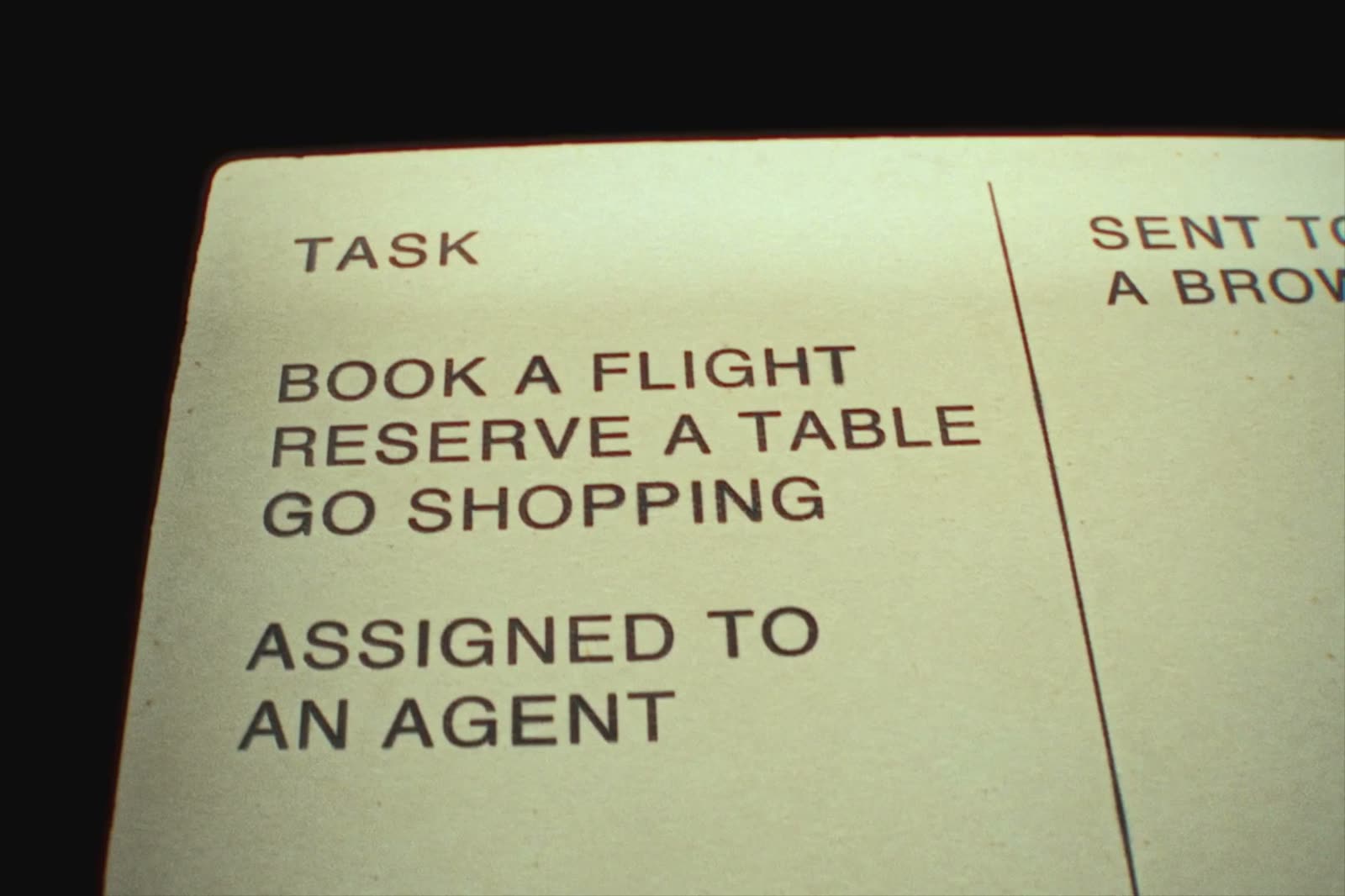
In its launch video, shared by co-founder Arman Luthra, Tilion starts from a simple problem: AI agents (software that does online tasks for you) keep getting blocked. To book a flight, reserve a table or shop, an agent needs a web browser, and when sites block that browser the task fails. The video says teams building agents end up fighting this themselves, managing proxies (servers that route traffic through other addresses), solving captchas (the puzzles sites use to spot bots) and patching browser fingerprints (the small details that identify a browser), then redoing it whenever a site changes.
Tilion says it handles all of that for the agent. The company claims to rank first on benchmarks for agent action speed, start up time and stealth, and says that of the hundred most visited shopping sites, it is the only such service that gets through every one. It says this works whether a customer runs 10 browsers or 10 million, and predicts that huge numbers of agents will soon arrive at online shops on behalf of people.
Prothom Alo reported that Tilion is a San Francisco company with four co-founders, Luthra from India plus Kazi Fardinul Hoque, Abdul Basit Tonmoy and Md Shahrier Islam Arham from Bangladesh. It has been picked for a Y Combinator batch. At its heart is Fortress, a freely available engine that Tilion built on Chromium, which also powers Google Chrome. The paper said Tilion has topped ComputeSDK, an independent benchmark, ahead of Browserbase, a US rival valued at about $300 million. EntrepreneurLoop reported that Luthra, 22, from Jammu, secured $500,000 from Y Combinator, and that the company's speed and blocking claims rest largely on its own published test results.
Why it matters to your business
If you sell online, a new kind of visitor is coming. Some agents will be customers' assistants trying to buy from you, and some will be scrapers copying your prices. Tools built to look exactly like a human browser make the old approach of blocking anything that seems automated less reliable, and it risks turning away real sales made through an assistant. Shops will need a clear view of which automated visits they want and how to let those through.
If you build or buy AI agents, blocked websites are a hidden cost. Every failed booking or form wastes time and money and needs a person to finish the job. Paying a specialist for browser infrastructure may be cheaper than having engineers chase each site change, but stealth tools also raise questions about whether a site's terms allow automated access, which is a legal and reputation risk worth checking before you scale.
What to do in your business tomorrow
- Ask whoever runs your website to pull one week of traffic data and estimate what share of visits come from bots, and which pages they hit most.
- Write a short policy on automated visitors: which agents you welcome, such as shopping assistants, and which you block, such as price scrapers, so your team can set rules to match.
- Compare the cost of the hours your team spends finishing tasks that an agent or script failed to complete against the price of a managed browser service such as Tilion.
More on this topic: AI agent tools