The story so far
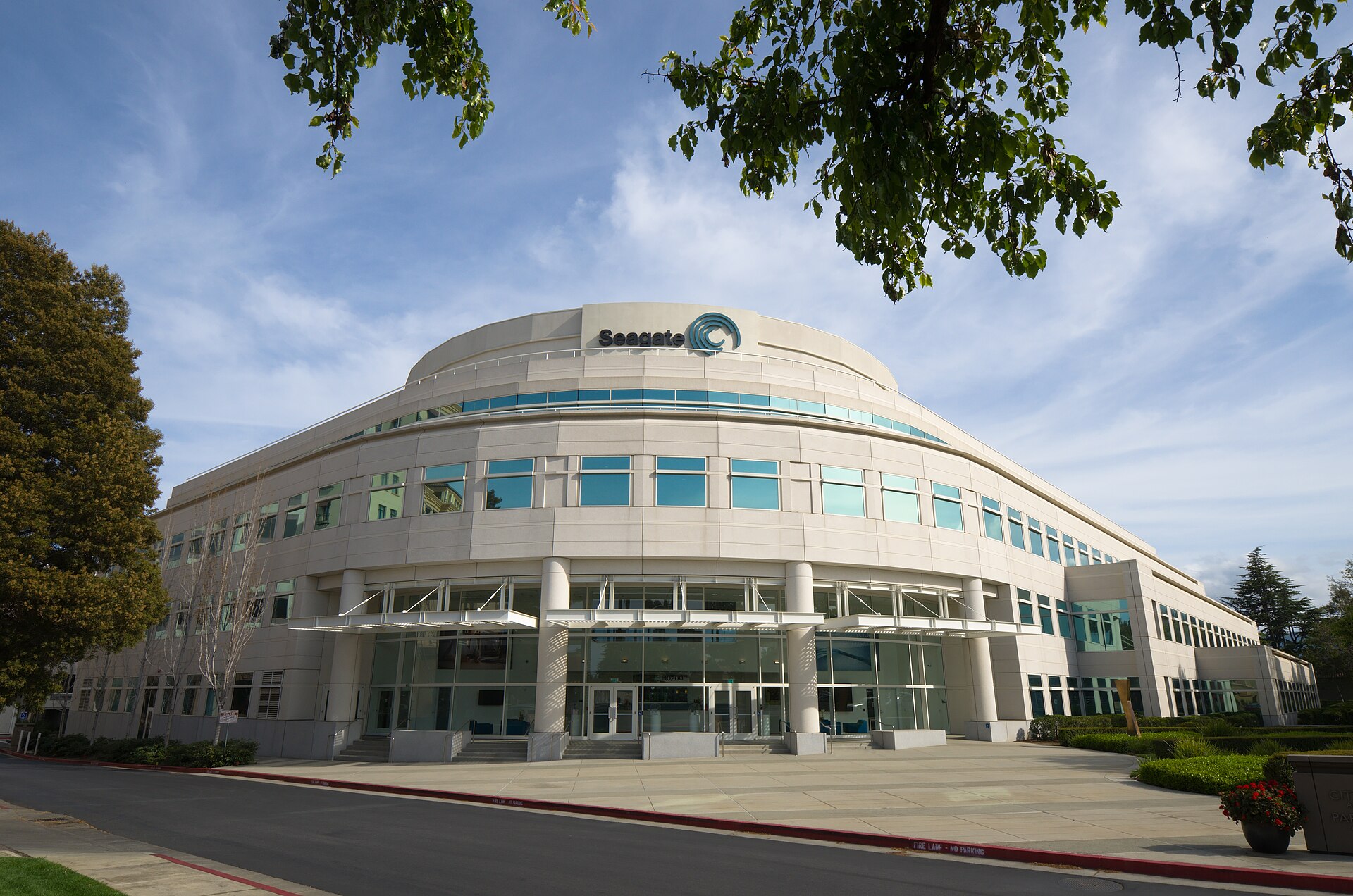
Seagate Technology released its 2026 Data Infrastructure Readiness Report, based on a survey of 2,712 enterprise technology decision‑makers in seven markets: the US, China, India, the UK, Germany, France and Japan. The report finds that 99% of organisations expect AI to increase storage needs over the next three years, but only 38% feel fully prepared for the long‑term data demands. It also shows 86% are already seeing moderate or significant returns from AI investments, with 33% reporting significant measurable returns.
The findings highlight data quality and readiness as the top challenges for 53% of respondents, followed by storage infrastructure for 43%. Compute availability is a lower priority at 27%. Almost all respondents (98%) agree that AI is turning storage into a strategic business asset. Sustainability concerns are prominent as well: 97% say extending infrastructure lifecycles improves sustainability, and 77% have delayed or restructured AI‑related infrastructure expansion because of energy or sustainability issues.
The questions owners are asking
- How big is the storage gap for AI?
- Seagate’s report says 99% of surveyed firms expect AI to boost storage demand, yet only 38% feel ready. That means most surveyed organisations do not feel fully prepared.
- What does “storage infrastructure” actually mean for my business?
- It is the hardware and software that hold, move and protect data, hard drives, SSDs, data‑centre racks and the systems that make data accessible. When AI creates more data, you need enough capacity, speed and reliability to keep it usable.
- Why should I worry about data quality before I worry about storage size?
- Data quality (how clean and useful the data is) was flagged by 53% of respondents as the biggest AI barrier, higher than storage itself.
- Is my compute power still the bottleneck?
- Compute, the processors that run AI models, ranked lower (27%) than storage and data quality.
- How does sustainability affect my AI storage plans?
- Nearly all firms (97%) see longer hardware lifecycles as a sustainability win, and 77% have delayed or restructured AI infrastructure expansion because of energy or sustainability concerns. Choosing efficient, longer‑lasting storage can lower power bills and meet ESG expectations.
- Can a “workload‑aligned” storage strategy help?
- Yes. Different AI tasks need different storage traits, training data needs high performance, while archived outputs need cheap, high‑capacity storage. Aligning the right technology to each task can cut costs and improve speed.
- What concrete steps can I take now?
- Start by auditing current storage capacity versus projected AI data growth. Prioritise data quality initiatives to avoid filling storage with useless files. Explore storage solutions that balance performance for active workloads and low‑cost capacity for long‑term archives.
The numbers
What to do in your business tomorrow
- Launch a data‑quality clean‑up project to remove duplicate or irrelevant AI‑generated files.
- Map your AI workloads and match each to a storage tier that balances speed, cost and durability.
- Audit your existing storage utilisation and compare it with projected AI data growth to spot shortfalls.
Sources
- tahawultech.com: Seagate highlights widening gap between AI ambitions and data infrastructure readiness
- Construction World: Seagate Report Flags AI Storage Readiness Gap