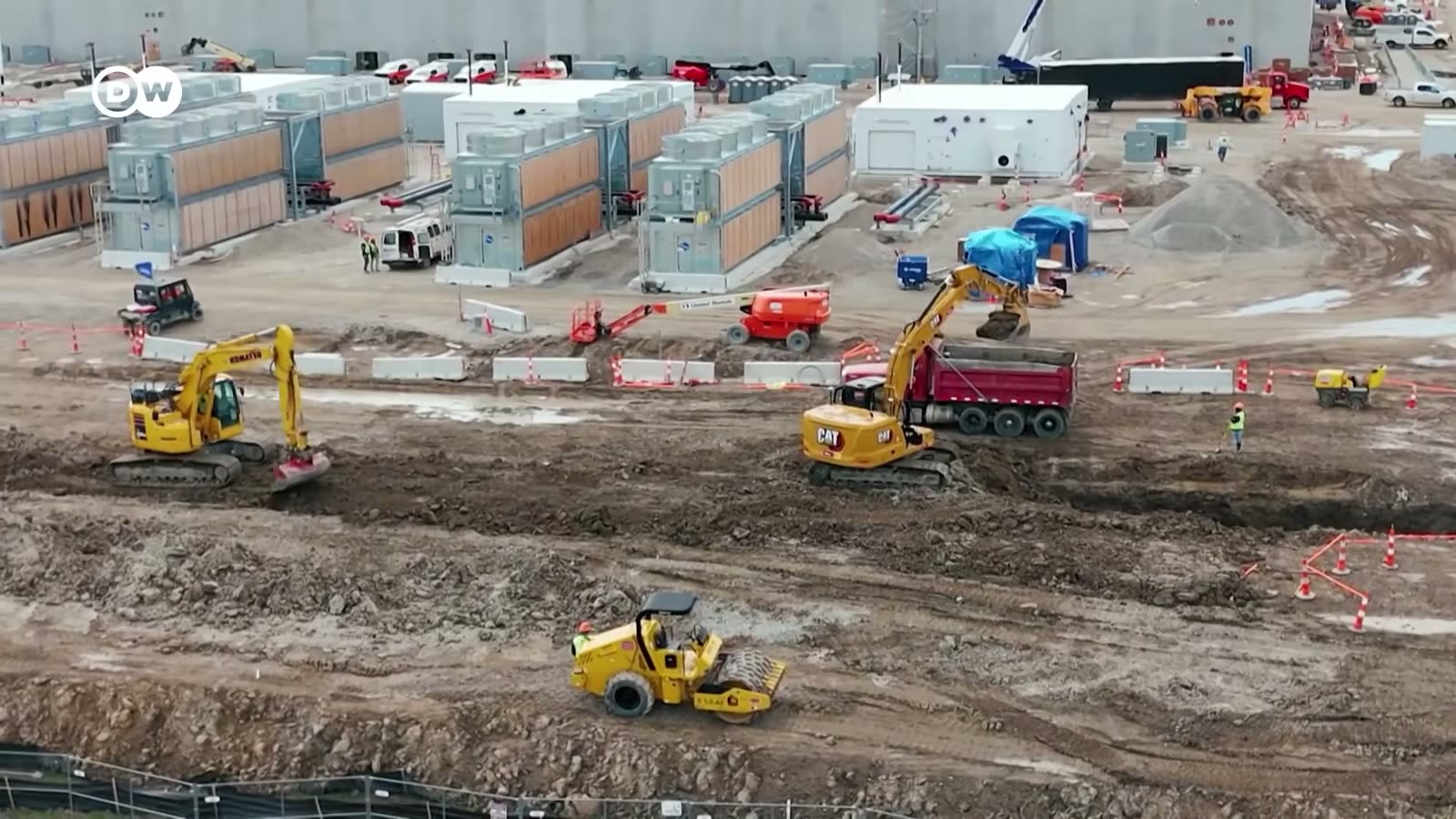
AI shares fell sharply after an election on Tuesday, and DW News described the vote as a sudden reality check for years of AI optimism, with frustration over huge server farms (the data centres that run AI) feeding into the result. Asked to explain the sell-off, fund manager Roger Montgomery told DW News that what matters is that "the pattern is always the same".
He laid that pattern out step by step. A new innovation arrives, and people get very excited about it. Optimism leads them to overprice it, and its shares with it. That excitement then pushes many businesses to expand, which in this case has meant building data centres around the world. Expansion on that scale leads to oversupply (more of the product than buyers need). And because so much money has gone in, it becomes very hard to earn an attractive return on capital (the profit made on the money invested). That, Montgomery said, is why the bubble is now being reappraised, and it is what is happening right now.
Montgomery founded Montgomery Investment Management, an Australian boutique investment manager, and chairs it today. He also wrote the investing guide Value.able, according to Morningstar, which publishes his columns. Financial Newswire also reported him speaking as the firm's chairman. In a column carried by Morningstar he argued that about three quarters of booms in general purpose technologies (inventions such as electricity or the internet that change the whole economy) share the same shape: colossal overinvestment, financial losses, and then lower prices and decades of productivity gains built on the infrastructure left behind.
Why it matters to your business
Montgomery's pattern is about investors and builders, not users. The people who lose in this kind of reappraisal are those who paid too much for shares or spent heavily up front on data centres. For a business that pays a monthly fee to use AI, an overbuilt supply of computing power can mean more choice and steadier or falling prices, not less.
The other lesson is about your own spending. The same cycle of excitement, overbuying and poor returns can happen inside one company, when teams sign up for AI tools because everyone else is. The return on that spending only shows up if each tool does a job someone can name and measure. Owners who check that now will spend less and get more from AI, whatever happens to share prices.
What to do in your business tomorrow
- List every AI tool your business pays for and write next to each one the job it actually does and the hours it saves; cancel any with a blank next to it.
- Before signing any long AI contract this quarter, ask for monthly terms instead, so you can benefit if prices fall.
More on this topic: AI agent costs