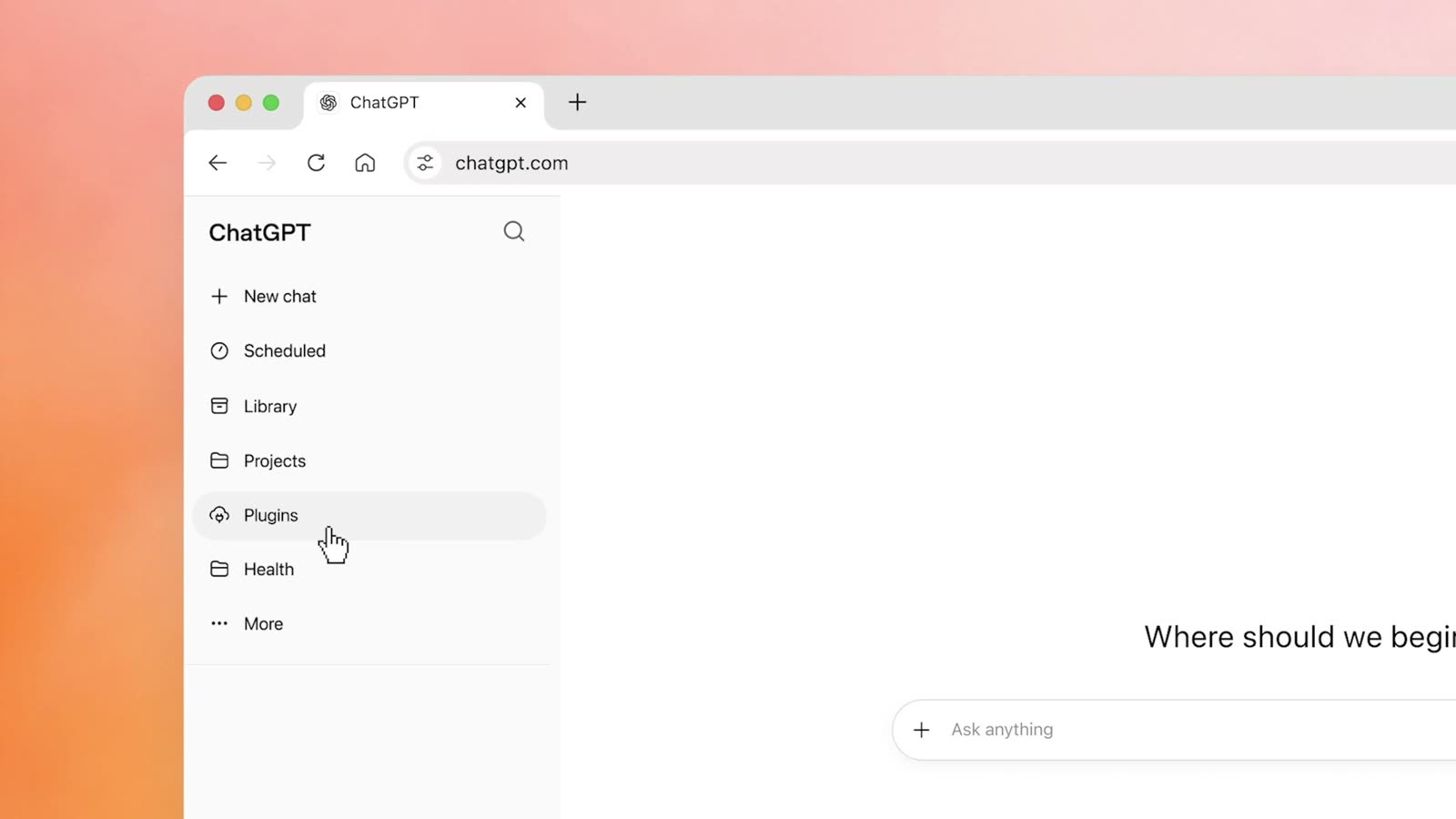
OpenAI has made ChatGPT for Accounting available, pairing its own Accounting plugin (an add-on that gives ChatGPT extra skills and connections) with plugins from accounting software partners. In its launch post, OpenAI said the aim is to help finance teams "close your books with less manual work". The post names four jobs it is meant for: month-end reports, bank reconciliation (matching your bank statement against your own records), data entry and audit prep. It names QuickBooks as one of the tools ChatGPT can now be put to work with.
The technology news site TechBooky reported that the partner plugins link ChatGPT to Xero, Intuit QuickBooks, FreshBooks, BILL, Oracle NetSuite, Campfire and Rillet. The main plugin supplies the accounting know-how, while each partner connection decides which records ChatGPT can see and what it is allowed to do inside that service. Installing the main plugin does not open every company's books at once. ChatGPT Business members can install it themselves, while on Enterprise plans an administrator has to approve it first.
The news site Business Upturn reported that OpenAI's release notes are dated 18 November and that the tools can read invoices and receipts and propose entries from them, suggest which account each item belongs to, and pull together statements for reconciliation. Accountants stay responsible for checking the results, and OpenAI's own guidance says the supporting evidence should be checked before anything is approved. Xero announced its expanded link with OpenAI a day later. It said any change to the books still happens back in Xero, and its version is offered in the United States for now.
Why it matters to your business
Closing the month is one of the most repetitive jobs in a small finance team, and much of it is copying figures between systems and ticking off matches. If the assistant can read straight from the accounting software you already pay for, that work is the first to shrink, which cuts the hours, or the bookkeeping fees, each close needs. It also means the tool fits around your current ledger (the master record of your accounts) instead of asking you to move to a new one.
The risk moves rather than disappears. A wrongly coded invoice or a missed match still lands in your management accounts, your tax work and your audit, and it is still your mistake, not the software's. Some connections only read data while others can create or change entries, so who reviews the output, and which connections are allowed to write, matter as much as the time saved. Expect your accountant or bookkeeper to start offering AI-assisted month-end work, and to be asked about it by clients.
What to do in your business tomorrow
- Write down how long last month's close took and mark the steps that were only data entry or matching.
- Try ChatGPT for Accounting on one of those steps using last month's figures, and have a person check every proposed entry before anything is approved.
More on this topic: AI agents by industry