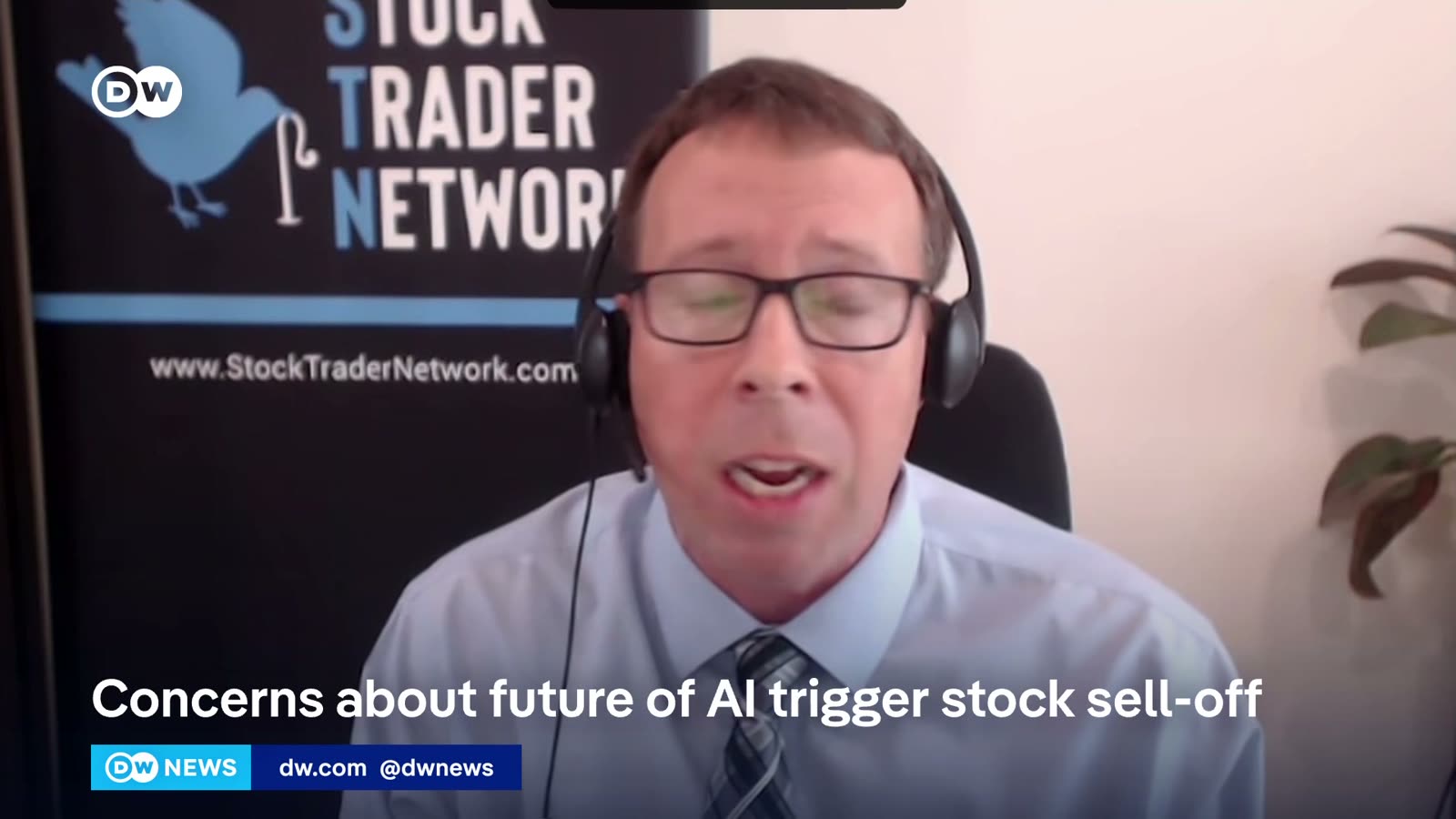
Dennis Dick does not think the AI boom is over. Interviewed by DW News once trillions of dollars had been knocked off the value of AI shares, he said he suspects large companies such as Microsoft and Meta, which he said is building impressive things with Muse, have work in progress they are not yet showing. In his view the industry is in a dark period, where firms with the best projects keep them hidden so that rivals cannot get a leg up. He expects that within the next six months to a year people will be amazed by what AI starts to do.
He pointed to medicine as one example. Moderna's work on cancer research and possible cancer vaccines, he said, shows how AI could transform biotech (the business of making medicines and treatments from biology). So he does not see this as the bubble bursting. In Dick's words, "I think we're at a period here where it's a reset, valuations got ahead of themselves". Some shares have fallen a long way from their highs, he noted, and the market may now digest those losses and move sideways for a while before it finds a direction. He finished on the same note he started: "I still think AI is going to change the world".
The Eastleigh Voice and BigGo Finance both describe Dick as chief market strategist of Stock Trader Network, a firm based in Canada. Both reported that he also questioned the timing of the stock market debut of Anthropic, the maker of Claude, arguing that its valuation only makes sense if it reaches the revenue forecast for 2030. The Eastleigh Voice reported that he criticised heavy borrowing by Oracle, saying the company had weakened its balance sheet to the point where its shares had fallen 65 per cent from their peak. BigGo Finance reported his view that investors no longer pay for AI growth stories alone and now want to see real profits.
Why it matters to your business
Share prices and useful tools move on different clocks. Dick's argument is that the market is repricing companies, not that the technology has stopped improving. For a business that pays for AI tools rather than owning AI shares, a falling share price changes little in the short run. What matters is whether the tools you use get better and whether your suppliers stay in business.
That second point is worth a thought. When investors start demanding profits, weaker AI suppliers can raise prices, cut free plans or disappear. Owners who depend on one small AI vendor for a key process carry more risk in a reset than those who can switch, and the businesses that learn to use the tools well now will be best placed if he is right about what comes next.
What to do in your business tomorrow
- Spend one hour this week testing the newest version of the AI tool your team already uses on a real task, and note what it now does better.
- For each AI tool your business depends on, write down the alternative you would move to if that supplier raised prices or shut down.
More on this topic: AI agent news