The short version
Google says a Gemini tool, built by its engineers with the wildfire alert app Watch Duty, picked out a new fire call from static-filled radio in under 30 seconds. According to Google, volunteer reporter satisfaction with the radio transcription tools went from 35.3% to 92.3%.
What happened
Google says a team of its engineers and researchers spent 6 months working full time inside Watch Duty, a nonprofit (an organisation that does not aim to make a profit) whose free app warns people about wildfires. Google describes the work as pro bono (free) support through a Google.org Fellowship, and Wisevoter reports it cost Watch Duty nothing.
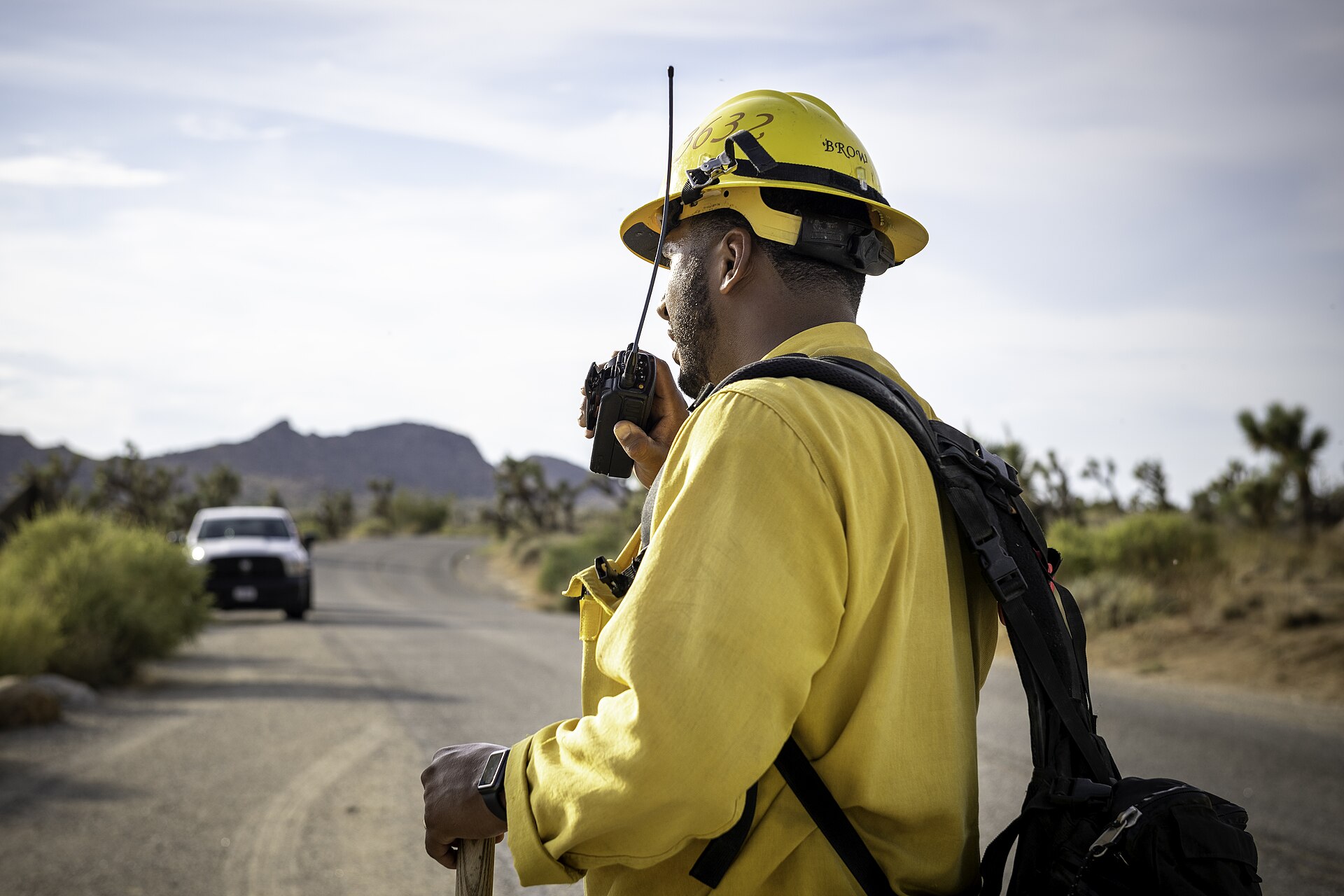
The team trained the tool, which runs on Gemini, Google's AI, on more than 20,000 hours of old radio recordings. Google says it strips out heavy static and turns the crews' specialist firefighting words into clean text that people can search. The point, according to Google, is to spare volunteers the work of decoding bad audio so they can spend their time checking incidents and sending warnings.
Google says the tool met a real fire in July 2026. The Railroad Fire started at night in Washington and spread quickly. When the first 911 dispatch (the emergency call that sends crews out) went over local fire radio, Google says the tool wrote it out from the noisy audio and flagged it in under 30 seconds. Watch Duty then checked the fire and sent a Critical Alert, a warning that breaks through a phone's do-not-disturb setting. Google says Watch Duty had never sent one overnight before.
The background
Google says the first word of a new fire still often travels over old analogue VHF radio (very high frequency two-way radio used by fire crews), where wind, engines, static and rapid jargon make it hard to hear. Watch Duty reporters follow up to 20 feeds by hand, Google says. Watch Duty says a major fire in Los Angeles County can mean more than 20 radio frequencies at the same time. Wisevoter reports the new tool is built to handle more than 10,000 feeds.
The two organisations have worked together for a while. Watch Duty says Google.org gave it $2 million of multi-year funding in 2024, and that it already uses Gemini to read updates from a fire's Public Information Officer (the official who briefs the public) and to sort photos from users, putting those that show smoke or fire first. “Speed matters in emergencies,” said John Mills, chief executive and co-founder of Watch Duty.
The AI angle
This is a pattern any business can use: an AI tool listens to a stream no person can follow alone, picks out the few items that matter and hands them to a human who decides. Watch Duty says the aim is to support human decisions, not replace them. The tool flags the call; a volunteer still checks it before a warning goes out.
It also shows where general AI tools fall short. Wisevoter reports the team had to teach Gemini words from firefighting that ordinary AI training material does not cover, using Watch Duty's own recordings. The Tech Buzz notes that Google has not said which Gemini version runs the tool. A business with its own jargon, such as part numbers or trade slang, should expect the same: a tool gets good on your own examples, not straight out of the box.
What it means for owners and operators
The figure worth noticing is not only speed. Satisfaction among volunteer reporters rose from 35.3% to 92.3%, according to Google. That measures whether the people doing the job find the tool useful, and that is often what decides whether a new tool gets used at all.
There is a limit. Wisevoter notes that both the satisfaction results and the error-rate results were measured by the developers themselves, and no independent check has been reported. The Tech Buzz adds that a false alarm in an emergency can cause panic. Any business that puts AI on an alerting job, from fraud flags to machine faults, faces the same trade: a missed signal costs one way and a false one costs another.
Our take
Our view, drawn from the reporting in this story. It is analysis, not news.
Our view: the smart part here is the hand-off, not the AI. Watch Duty kept people in charge of the decision and used the tool to win back minutes in the step before it, the listening. That is the safest place to start with AI agents in any business: let the tool watch and sort, and keep a person on the button that reaches customers.
The second lesson is cost. This build took a Google team working full time for 6 months and more than 20,000 hours of recordings, given free. Most firms will not get that. A small business should start narrower, with one stream and one kind of signal, and measure before and after the way Watch Duty did.
The numbers
The figures below come from Google and Watch Duty.
What to do in your business tomorrow
- Pick one stream of messages your team reads by hand, such as a shared inbox, support chats or supplier updates, and time how long a message waits before someone acts on it.
- Name the person who must check any AI alert before it reaches customers or staff, and write that rule into your process this week.
- Collect real samples of your own jargon, codes and messy notes or recordings, and use them to test any transcription (speech to text) tool before you pay for it.
Related coverage
Sources
- Google: How Watch Duty is using Gemini to get wildfire alerts out faster
- Watch Duty: Google.org Fellowship to help Watch Duty get fire information out faster
- The Tech Buzz: Google's Gemini Cuts Wildfire Alert Times to 30 Seconds
- Wisevoter: Google Gemini Decodes Firefighter Radio for Watch Duty