The short version
Equinix and Digital Realty say the reported Nvidia pause on AI server shipments to Singapore and three neighbours will barely touch their business. Analysts warn of delays, costlier compliance and paused financing, with Singapore less exposed than Malaysia and Thailand.
What happened
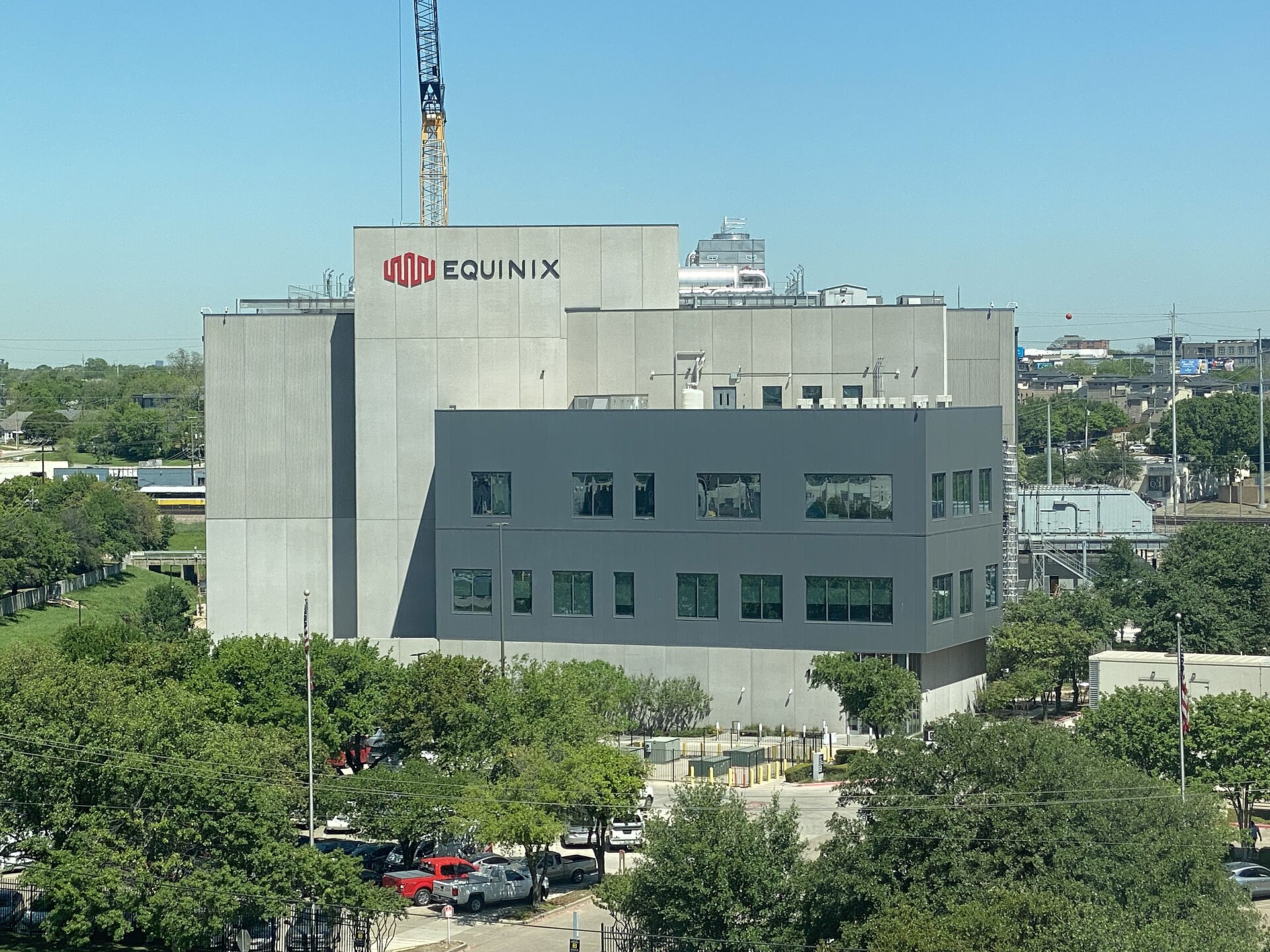
Equinix and Digital Realty, two large US data centre companies with sites in Singapore, are downplaying a reported pause in Nvidia AI server shipments to the region, according to The Business Times. The Financial Times first reported the pause, which covers Singapore, Malaysia, Thailand and Indonesia. Deputy Prime Minister Gan Kim Yong said on 27 November that Singapore has not confirmed it, and Nvidia had not replied to the paper.
An Equinix spokesperson said the company's “confidence in South-east Asia is unchanged”, citing demand from businesses, cloud and network providers and financial firms. Equinix added that as a colocation provider (it rents space in its buildings to customers who run their own equipment) it does not hand out computing power itself. Digital Realty said its current business should feel little effect, since its regional sites mostly serve cloud firms and large companies, and it is working through the new licensing and reporting demands. Four other operators, Keppel, ST Telemedia Global Data Centres, Singtel and AirTrunk, would not comment.
The background
The pause follows tighter US chip rules announced on 16 November. According to The Standard, shipping advanced chips to Singapore, Malaysia, Thailand, Indonesia and Brazil now needs a US licence, and data centres anywhere need one to supply large amounts of computing power to companies headquartered in China. Before this, a gap in the rules let Chinese firms rent that power from data centres in the region running US hardware they could not buy at home.
Scrutiny rose after Jensen Huang quit as Nvidia chief over reports linking him to Alice Huang, an executive at Megaspeed, a Singapore-based cloud firm under suspicion of helping Chinese companies dodge American chip rules. He has since returned, The Business Times reports. Singapore's ministries said they were talking to US authorities about securing “trusted access” for Singapore companies.
Analysts in The Business Times see the pause as temporary but expect delays. Alicia Garcia Herrero, Asia-Pacific chief economist at Natixis, said the regional boom will likely slow and grow more selective as compliance costs rise. In The Star, Malaysia's former Deputy Trade Minister Ong Kian Ming said Malaysia would bear most of any fall in demand.
The AI angle
Many of the AI tools businesses rent run on advanced chips in data centres like these, so the rules reach well beyond chipmakers. Neil Shah of research firm Counterpoint told The Standard that the regulatory weight has moved to cloud providers and the companies that use them, with data centre firms now facing heavy know your customer checks, meaning they must confirm who each customer really is.
For most Singapore firms the direct risk looks modest. Garcia Herrero said Singapore is relatively less exposed because its customer base is more diversified. Maybank Securities analyst Brian Lee told The Star that much regional demand comes from local cloud and digital services that may not need Nvidia's top Blackwell chips. The pain falls first on operators serving Chinese AI developers, which Charu Chanana of Saxo said could face weaker use of their capacity and slower growth.
What it means for owners and operators
If you buy cloud or AI services in Singapore, expect your supplier to ask more about who you are and what you use its computing for. Expect paperwork, not a shutdown. If your business leans on capacity in Malaysia or Thailand, the exposure is higher: Natixis estimated that more than 45 per cent of operating capacity there is tied to Chinese owners or tenants, and Garcia Herrero said financing for some deals is already on hold.
Our take
Our view, drawn from the reporting in this story. It is analysis, not news.
The landlords are probably right about their own buildings and wrong to sound as if nothing has changed. Equinix and Digital Realty rent space, not chips, so a shipment pause hits their tenants first. But every data centre now has to answer for who uses its computing power, and that work will show up for the customers renting AI from it.
Singapore's own figures show why Washington is watching: in February 2025 firms there accounted for 22 percent of Nvidia's chip sales on paper, while 1 percent of the chips arrived. Until that gap is closed, Singapore businesses should treat where their AI runs as something to plan for, not assume.
The numbers
What to do in your business tomorrow
- Ask your cloud supplier in writing which country runs your chatbot and agent work and whether the new chip export licence rules could pause or move it, then file that answer with the contract.
- Run your most used chatbot or agent task on a second cloud provider this week and mark it a pass only if it works the same within a day, so a chip delay at your main supplier does not stop work.
- Set a rule that every new cloud or data centre contract you sign must name a backup location and say how much notice you get before your service is moved.
Related coverage
Sources
- The Business Times: Data centre giants in Singapore play down double whammy of US chip curbs, reported Nvidia shipment freeze
- The Standard: Singapore seeks 'trusted access' to AI chips after US curbs
- The Standard: US AI chip curbs threaten Southeast Asia data center boom, shares slump
- The Star: American curbs threaten South-East Asia's AI boom