The short version
Citi has changed its terms so customers who let outside AI agents into their accounts carry the loss when something goes wrong, even after a hack. Its own AI agents get no such warning, and several other big US banks have moved the same way.
What happened
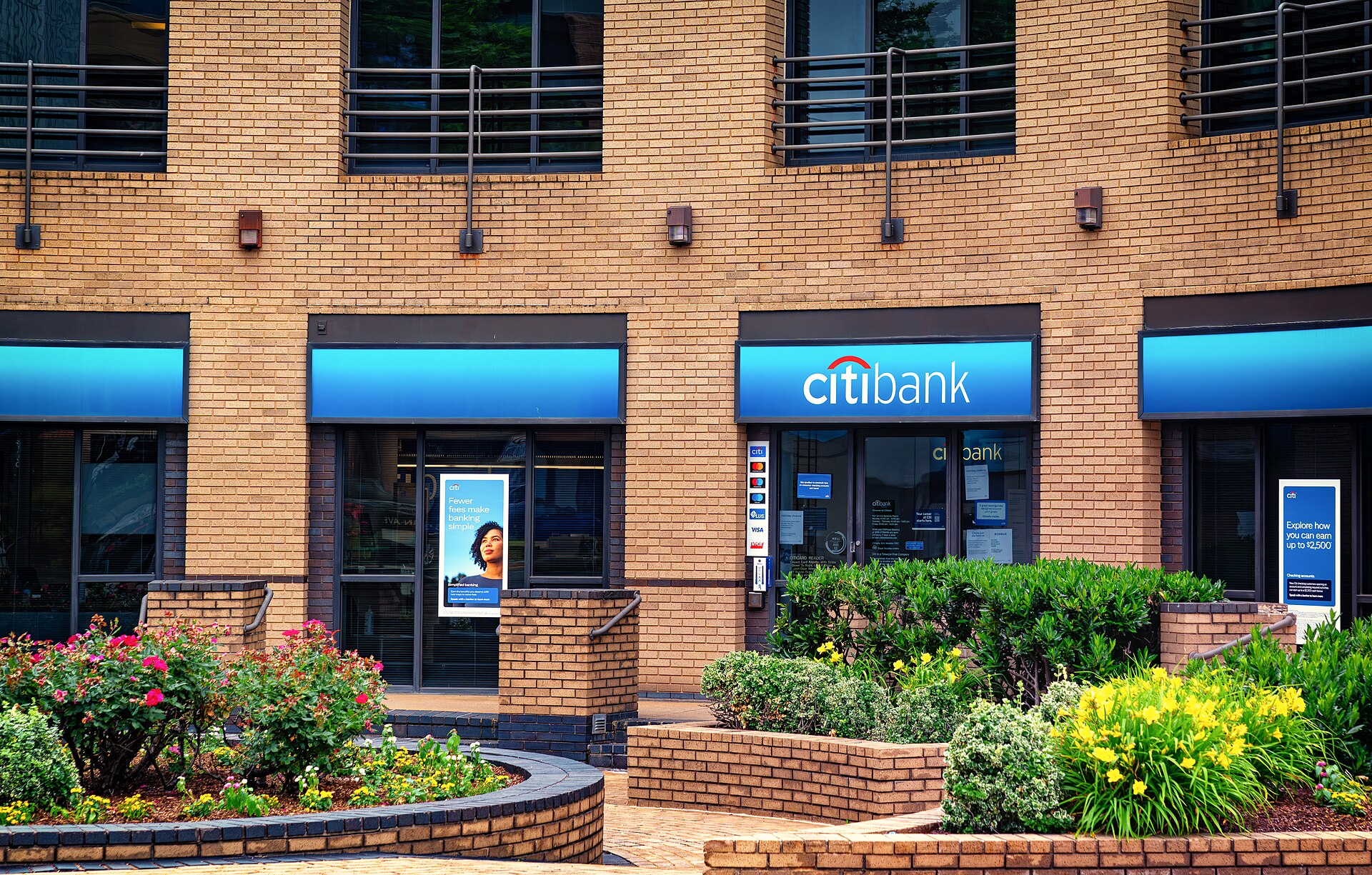
Citibank, which TechCrunch describes as the third largest commercial bank in the United States, updated its Online User Agreement this week. The new terms say customers who give outside AI agents access to their accounts are responsible for what happens through those agents, according to TechCrunch. Crypto Briefing said the change arrived as a new section of the agreement dealing only with third-party AI agents.
The terms reach beyond honest mistakes. If an AI tool leaks a customer's credentials (the login details for an account) or is itself hacked, the customer is responsible for what the hackers then do, TokenPost reported. Under the revised wording, any access or payment made by an AI agent counts as authorised by the customer, with only limited legal exceptions, according to Crypto Briefing.
There is one carve-out. Citi's terms say customers can use AI agents provided by the bank itself without additional liability, TechCrunch and TokenPost both reported.
The background
Citi follows other large banks. According to TechCrunch, Bank of America and JPMorgan set out similar rules last month, PNC followed this week, and Citizens emailed customers this week warning they are on the hook for what their AI assistant does. Crypto Briefing added that Wells Fargo's updated Online Access Agreement, effective November 24, 2026, treats payments started by AI agents as authorised by the customer.
The banks are not shutting outside tools out completely. JPMorgan still lets tools see accounts in read-only mode, through open-banking platforms that are regulated, Crypto Briefing reported. Read-only means a tool can look at your finances but cannot move money.
The AI angle
AI agents are what forced the change. Given a bank login, these tools can study spending, weigh investments, give advice and, more and more, move money and pay bills, according to Crypto Briefing. TechCrunch notes that AI startups see personal finance as an attractive source of revenue.
The AI makers are drawing their own lines too. Anthropic launched a personal finance tool earlier this month that can only read accounts; TokenPost said it cannot move, manage or invest money. For a business, the difference between an agent that can only look and one that can act is now also the difference between low and high risk.
Our take
Our view, drawn from the reporting in this story. It is analysis, not news.
Banks have settled who pays when an AI agent goes wrong, and the answer is the customer, unless the agent belongs to the bank. That makes sense on security grounds, but it also protects bank income. TechCrunch reports that banks see AI tools as a competitive threat that could help customers avoid fees, and that they will fight to control that route.
The practical lesson is simple. Treat a bank login given to an AI tool like a signed cheque book handed to a stranger. Read-only access gives you most of the insight with far less of the risk.
What it means for owners and operators
Many small firms let bookkeeping apps or AI assistants into their bank accounts to sort spending or pay bills. Under terms like these, a wrong payment or a hacked tool may leave the business with the loss. Owners should know which tools hold logins, what each can do and whether a read-only option exists.
What to do in your business tomorrow
- List every AI tool or app your business has given a bank login to, and switch off any that can move money rather than only read it.
- Write a rule this week that staff may connect AI tools to business bank accounts only through read-only access, and name who approves exceptions.
- Compare the AI tools your own bank provides with outside ones, since Citi says customers can use its own agents without extra liability.
Related coverage
Sources
- TechCrunch: More banks say customers using AI agents are on their own, even if they get hacked
- TokenPost: Citi Makes Customers Liable for AI Agent Activity on Bank Accounts
- Crypto Briefing: Citibank updates terms, holds customers liable for AI agent risks