The short version
South Africa's Cabinet has endorsed President Cyril Ramaphosa's recent AI-focused working visit to Silicon Valley and the AI action plan he ordered there, due within 90 days. Eskom, which travelled with the delegation, is pitching its spare electricity to data centres, the buildings full of computers that run AI tools, which raises the question of who pays to connect them.
What happened
At the post-Cabinet briefing on Friday, Minister in the Presidency Khumbudzo Ntshavheni said Cabinet welcomed the strategic importance of the President's trip to California, according to SAnews, the government news agency. Ramaphosa travelled with a delegation of about 300 people from government, business, universities, research and the tech sector, students among them. Cabinet said AI could bring investment, new local skills, help for businesses and a more efficient public service, under the economic plan known as GAIN.
During the trip, Ramaphosa told the country to finish a multi-sectoral AI action plan within 90 days of the delegation's return. Ntshavheni said the plan must set out who is responsible for what, how start-ups will be funded and which investment partnerships could improve services such as healthcare and education. A new Venture Capital Fund was also announced; a local entrepreneur put in the first money, though the statement gave no name.
TechCentral reported that Ramaphosa wanted practical initiatives with clear responsibilities and measurable outcomes, and that government should be an early adopter of AI. In San Francisco he told delegates: “The pace of technological change will not wait for the pace of our bureaucracy,” according to TechCentral.
The background
South Africa still has no national AI policy, TechCentral reported. The draft was withdrawn in April after it was found to cite sources that did not exist, and the redraft is only due before Cabinet by March 2027, so the 90-day initiatives are likely to come first. Ramaphosa said sponsors, departments and companies covered costs, flights included, but did not say which companies or what taxpayers paid.
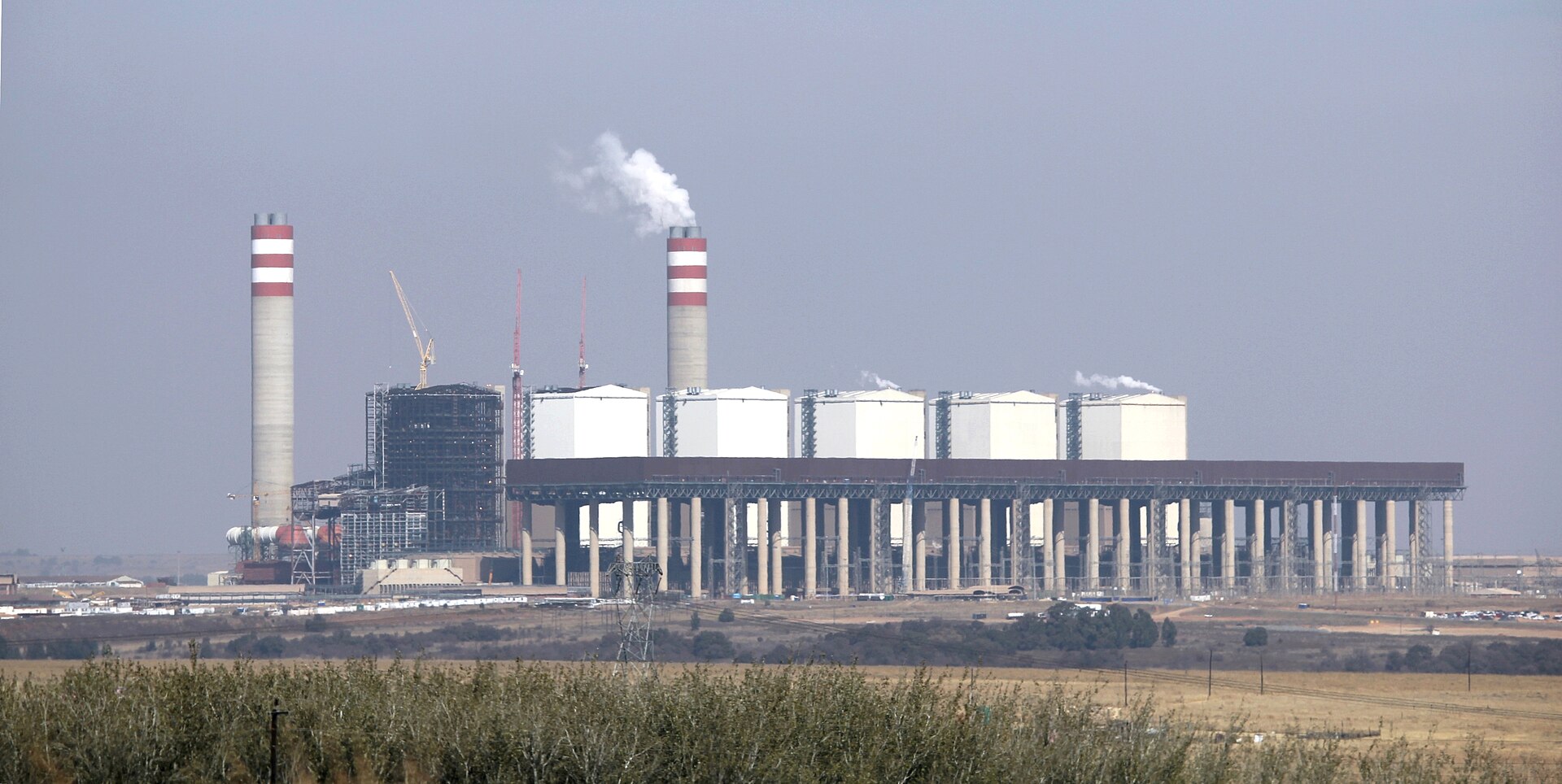
In an opinion piece for Daily Maverick, the international relations strategist Redi Tlhabi wrote that Eskom used the trip to court investors with spare generating capacity and a growing share of renewable power. Data centres are one likely buyer because they use so much electricity. She asked whether such a facility would enjoy secure supply while ordinary customers face another bill.
Other places have already had to answer that. In Virginia, in the United States, the State Corporation Commission created a separate electricity class for customers using 25 megawatts or more, according to TechInformed. From Jan. 1, 2027, new customers in that class face a 14-year service obligation, and large users are generally billed on at least 85% of the transmission and distribution demand they sign up for, even if they use less.
The AI angle
Data centres are where the AI tools a business uses actually run. Every chatbot answer and every AI agent task needs electricity in a building somewhere. Ramaphosa wants more of those buildings in South Africa, adding to the ones Microsoft, Amazon Web Services and Google already run there, TechCentral reported. Where they sit and who pays for their power will shape what local AI services cost and how reliable they are.
Eskom is also a user of AI, not only a would-be supplier to it. According to Daily Maverick, Len de Villiers, who runs technology at Eskom, has listed 20 AI projects in eight parts of the business, among them predictive maintenance (software that spots a fault before equipment breaks). Its sessions with Cisco covered finding equipment problems sooner, and a workshop with Palo Alto Networks covered protecting the utility from cyberattacks.
What it means for owners and operators
For a business owner, the 90-day deadline is the date that matters. If the plan sets out start-up funding and investment partnerships, it will show where government money and contracts may go, and which firms could sell AI services to a state that says it wants to adopt AI early.
The harder question is cost. If Eskom signs big data centre customers without rules like Virginia's, the cost of connecting them could land on other customers, the risk Daily Maverick raises. With such rules, local AI hosting could grow without that shift. Neither path has been chosen yet.
Our take
Our view, drawn from the reporting in this story. It is analysis, not news.
A national AI push that starts with a delegation and a deadline is easy to cheer. The real test is the dull detail: who pays for the power and grid links that AI data centres need, and who carries the risk if promised demand never arrives. Virginia has already written its answers into its electricity rules.
For South African firms, cheaper and more local AI depends on that detail more than on any announcement. Until the action plan says how large power users will pay their way, treat the AI drive as a promise rather than a plan, and keep your own AI tools from depending on a single site staying powered.
What to do in your business tomorrow
- Ask the supplier of each AI tool you pay for which country and data centre runs it and what happens to your service if that site loses power, and write the answer into your supplier file before you renew.
- Run a test this week: do one task your team now hands to an AI tool, such as drafting customer replies, without the tool for a morning. If the work stops, that is a fail, and you need a written fallback for the day the tool or its power goes down.
- Set a standing rule that every AI project your business pays for names, before it starts, the person responsible and the measurable outcome it must reach, and stop any project that has neither after 90 days.
Related coverage
Sources
- SAnews: Cabinet backs AI drive to boost economic growth and service delivery
- Daily Maverick: Eskom wants in on the AI revolution, but what's in it for South Africans?
- TechCentral: Ramaphosa Silicon Valley AI delegation
- TechInformed: Virginia sets path to charge data centers for grid links