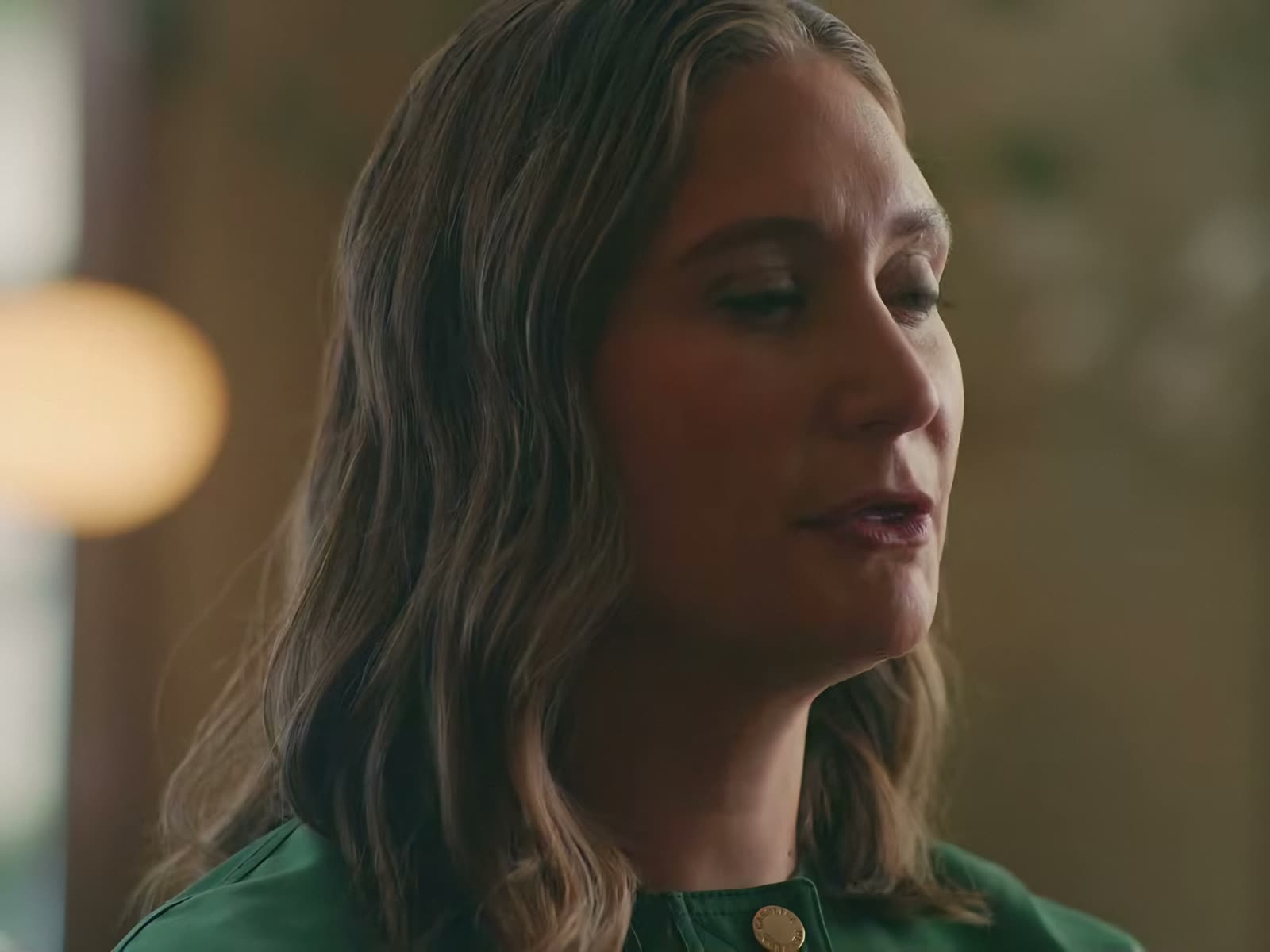
In a film Anthropic made about its history, the co-founders describe the moment they trained a new class of model, Mythos, and saw how strong it was at security work. Cybersecurity experts found it could spot vulnerabilities (weak points attackers can use) and exploits (code that takes advantage of those weak points) in software at an expert level. If a criminal got hold of it and set out to use those flaws, they said, the whole world would be in a bad position.
Dario Amodei then gathered the company's leaders and said this model would have to be released unlike any before it, the founders recall. The result was Project Glasswing, which gave Mythos to a smaller group of companies while Anthropic built the safeguards needed for wider release. Defenders could ask Claude where their weak points were and then use it to help patch them. The founders admit this may not be the best way to maximise revenue, and say doing things the right way tends to hurt in the short run. They add that they have always published their safety research for the whole industry, even when that was bad for them against rivals.
Anthropic launched Project Glasswing with partners including Amazon, Apple, Microsoft, Cisco and CrowdStrike, and committed up to $100 million in usage credits, ITPro reported. According to the same report, Anthropic said Mythos Preview had found thousands of previously unknown flaws, among them a flaw in OpenBSD that had gone unnoticed for 27 years. SecurityWeek reported that the model also found and linked together several flaws in the Linux kernel (the core of an operating system), and that Anthropic hopes defenders can use it to improve security before attackers get access. Anthropic is led by chief executive Dario Amodei.
Why it matters to your business
If AI can find software weaknesses at an expert level, attackers will eventually have similar tools, and the old patching pace will not be enough. Every business runs software, from its accounts package to its website and booking system, so every business should expect faster and more frequent attempts to break in.
The same tools help defenders find and fix holes first, which is the whole point of the way Mythos was released. The cost of a breach, in downtime, lost data and customer trust, is usually far higher than the cost of keeping systems up to date. The founders also show that a safety choice can cost revenue in the short run, a trade any firm that holds customer data may one day face.
What to do in your business tomorrow
- Ask whoever looks after your IT for a list of every system that has not had a security update in the last three months, and agree a date this week to patch each one.
- Check that the software your business depends on most, such as email, accounts and your website, is set to install security updates automatically.
More on this topic: AI agent security and risk
Sources
- Anthropic: Why we built Anthropic
- ITPro: Project Glasswing: Anthropic announces big tech consortium to test Claude Mythos AI model that could reshape cybersecurity
- SecurityWeek: Anthropic unveils Claude Mythos, a cybersecurity breakthrough that could also supercharge attacks
- The San Francisco Standard: You've heard of Dario and Daniela Amodei, but who are the other six founders about to hit the IPO jackpot?